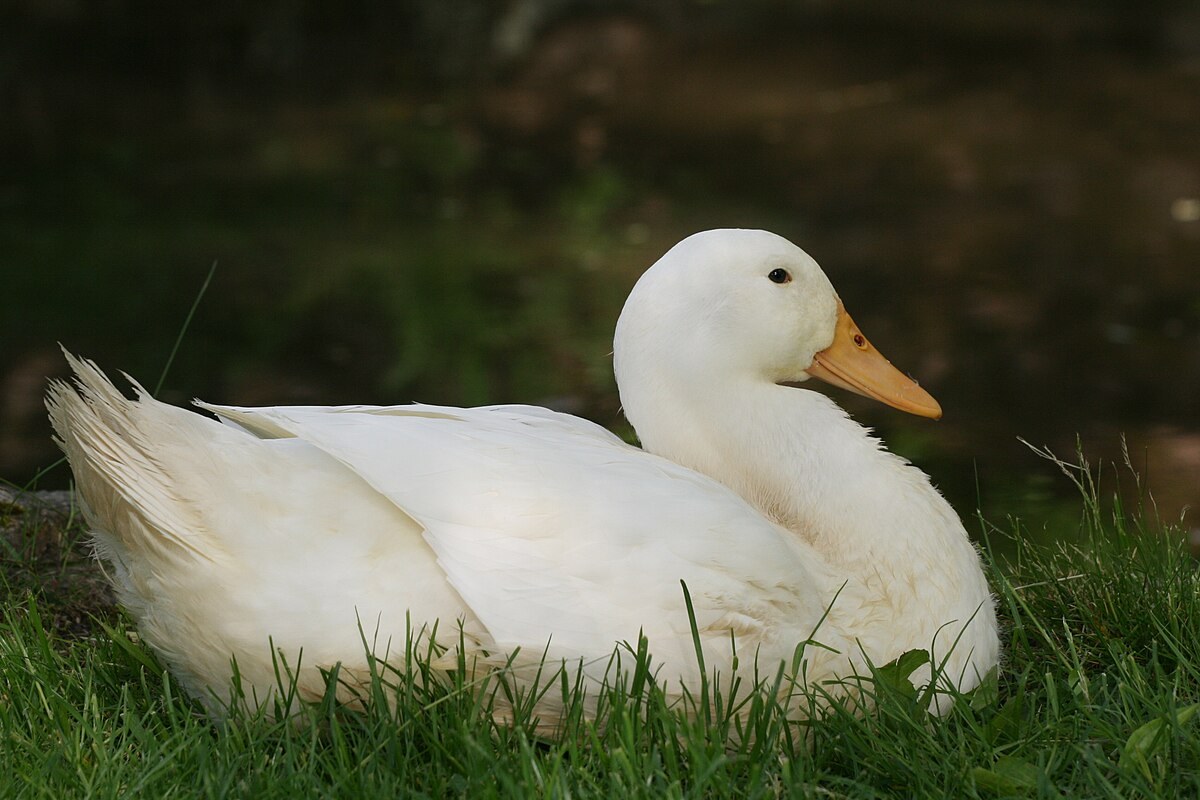
Adult pet ducks can be offered a little plain, fresh cilantro as a leafy extra. Cilantro refers to the fresh leaves and soft stems of the coriander plant. Treat it as a small addition to an age-appropriate duck diet, not as a health treatment or replacement for complete feed. This advice is for domestic ducks in your care; it is not a feeding plan for wild ducks at a pond.
Is cilantro the same as coriander?
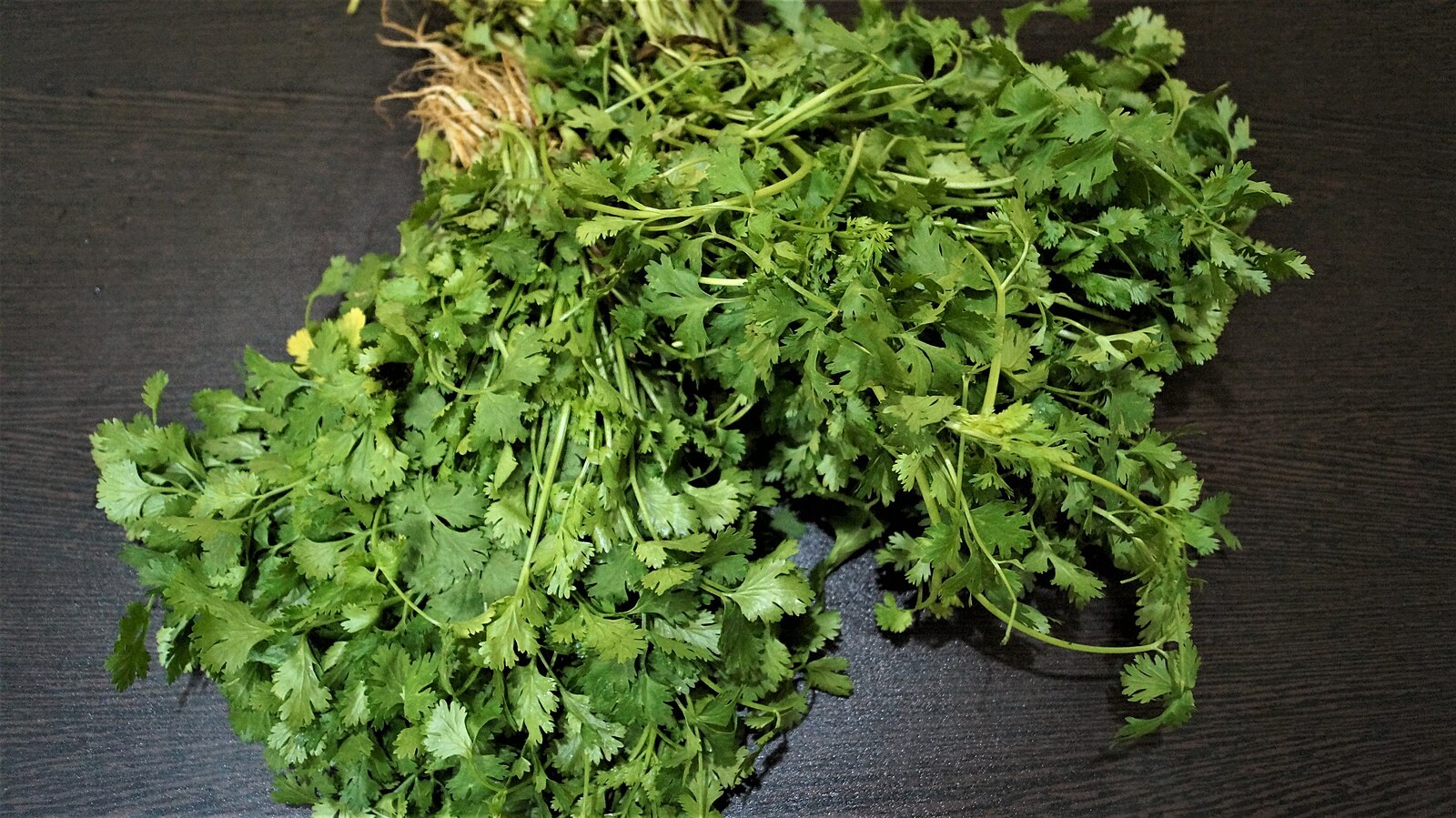
Yes. The Royal Horticultural Society describes coriander as the herb also called cilantro. Its leaves and aromatic seeds come from the same plant, Coriandrum sativum. In food discussions, “cilantro” usually means the fresh leaves and soft stems, while “coriander seeds” means the dried fruit used as a spice. Check the plant identification before offering anything gathered from a garden.

How should I offer the leaves?
For a healthy adult pet duck, identify the herb, use leaves that are fresh and free from sprays or mould, rinse them, and offer a small chopped portion beside the bird’s normal feed. Keep clean drinking water available. Remove leftovers before they spoil. RSPCA Australia’s pet-duck guidance allows non-toxic leafy greens as extras but keeps good-quality, age-appropriate duck feed at the centre of the diet. Its 10% limit is a ceiling for all treats together, not a target amount of cilantro.
These types of treats should not exceed 10% of ducks’ daily feed consumption
If the duck ignores the herb, take it away and offer its usual feed. There is no need to persuade it to eat cilantro. Cornell’s Duck Research Laboratory warns that ducks are especially vulnerable to toxins from mouldy feed, so never leave wilted, damp plant material to rot in a dish.
First serving check
Offer only what you can clear away promptly, then check that the duck still eats its normal ration. If its appetite or behaviour changes, stop the extra and ask a poultry or avian vet for advice.
Can ducks eat coriander seeds or ground coriander?
The seeds come from the same plant, but I could not verify a duck-specific recommendation for whole or ground coriander seed. That does not mean a few plain seeds are proven poisonous; the sources here do not establish a safe routine serving or a health benefit. For a simple choice, offer fresh leaves rather than seed powder or seasoned human food. If a duck has already eaten seeds and seems unwell, contact a poultry or avian vet.
What about ducklings?
Ducklings have different dietary needs. RSPCA Australia recommends a duckling starter feed followed by an appropriate grower feed as they develop. There is no verified eight-week threshold for adding cilantro. Keep the age-appropriate ration central and ask a poultry or avian vet before adding unfamiliar extras to a young duckling’s diet.
Does cilantro have special health benefits for ducks?
There is no reliable duck-specific evidence here that a handful of cilantro removes heavy metals, prevents infections, improves egg production or corrects a deficiency. A varied diet can include leafy extras, but the duck’s everyday feed and clean water do the essential work. If a bird is unwell, seek veterinary advice instead of trying to treat it with herbs.
Related reading: Do Ducks Have Teeth? How Their Bills Work.
Sources & further reading
RSPCA Australia, “How should I care for my pet ducks?”, updated 20 June 2024, https://kb.rspca.org.au/categories/companion-animals/other-pets/birds/backyard-poultry/how-should-i-care-for-my-pet-ducks — checked 27 September 2026.
Royal Horticultural Society, “How to grow Coriander”, undated, https://www.rhs.org.uk/herbs/coriander/grow-your-own — checked 27 September 2026.
Cornell University College of Veterinary Medicine Duck Research Laboratory, “Duck Nutrition”, William F. Dean, undated, https://www.vet.cornell.edu/animal-health-diagnostic-center/programs/duck-research-laboratory/duck-nutrition — checked 27 September 2026.