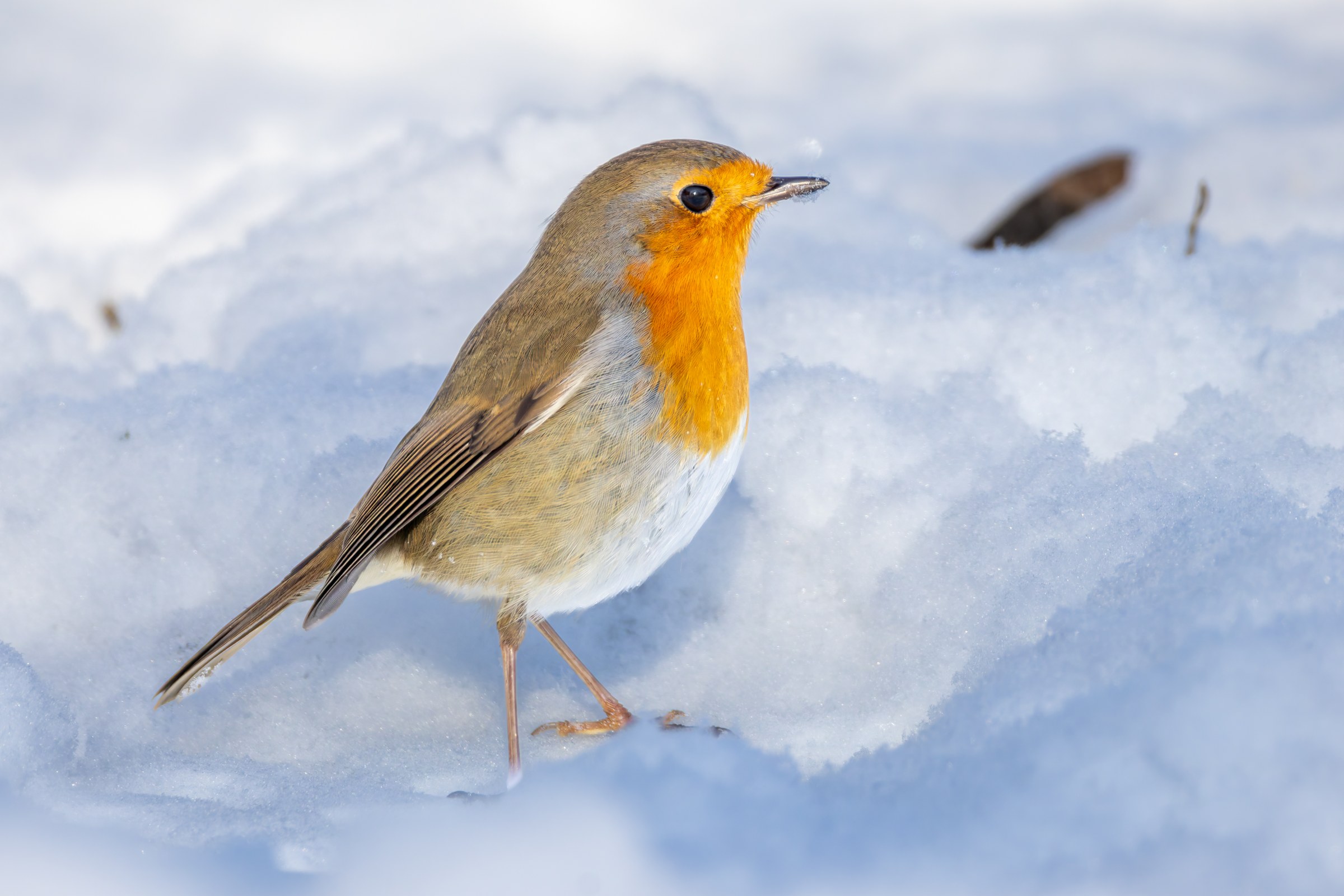
Feeding birds in autumn and winter can supplement natural food, but the right approach depends on where you live, the birds visiting and current disease advice. Choose suitable food, offer manageable quantities and keep equipment clean. A colder day is not a reason to ignore local restrictions.
This guide compares the United Kingdom with the United States and Canada. It is not a worldwide feeding calendar: autumn and winter fall in different months in the Southern Hemisphere, and even neighbouring regions can have different conditions.
Should you feed birds in autumn?
In the UK, distinguish early autumn from November onwards. The RSPB's seasonal feeding guidance says to pause seeds and peanuts from 1 May to 31 October. Small amounts of suitable suet, fat balls or mealworms remain options. Seeds and peanuts may be offered again from 1 November to 30 April.
In the US and Canada, use regional advice rather than importing those UK dates. Project FeederWatch provides North American food and hygiene guidance, linked below. Check your state or provincial wildlife agency for local feeding restrictions or disease alerts before setting up.
Your location | Starting point |
|---|---|
UK, September–October | Continue the seed and peanut pause; choose permitted foods or natural habitat. |
UK, November–April | A wider food choice is possible, with suitable equipment and hygiene. |
United States or Canada | Match food to local birds and follow current regional guidance and alerts. |
Elsewhere | Check a local conservation authority; do not transfer this calendar unchanged. |
Is feeding useful during winter?
The RSPB recognises winter benefits, especially when natural food is scarce. Supplementary food is one option alongside habitat and water; it is not a requirement to keep every feeder full or attract the largest possible flock.
Our practical recommendation is to start with one feeding arrangement you can maintain through wet or freezing weather. Before buying food, decide where you will store it, how you will remove leftovers and who will check the feeder if you are away.
Which foods should you choose?
There is no single best food for every bird. Project FeederWatch's food guide describes these North American examples. The UK seasonal limits above still apply when using seeds or peanuts in UK gardens.
Food | What to consider |
|---|---|
Black-oil sunflower seed | A widely used North American food for birds including chickadees, cardinals, finches and sparrows. |
Sunflower hearts | Hulled seed removes the shell, but needs protection from damp because it spoils more readily. |
Suet | Suitable commercial products can attract insect-eating birds. Use equipment designed for the product. |
Nyjer | An option for finches; choose a feeder that holds the small seeds without spilling them. |
Peanuts | Use food intended for wild birds and a suitable feeder. They are not exempt from the UK autumn pause. |
Pick food for birds you actually see rather than buying every type. Treat unfamiliar regional names carefully: a European robin and an American robin are different species, so a recommendation for one should not automatically be applied to the other.
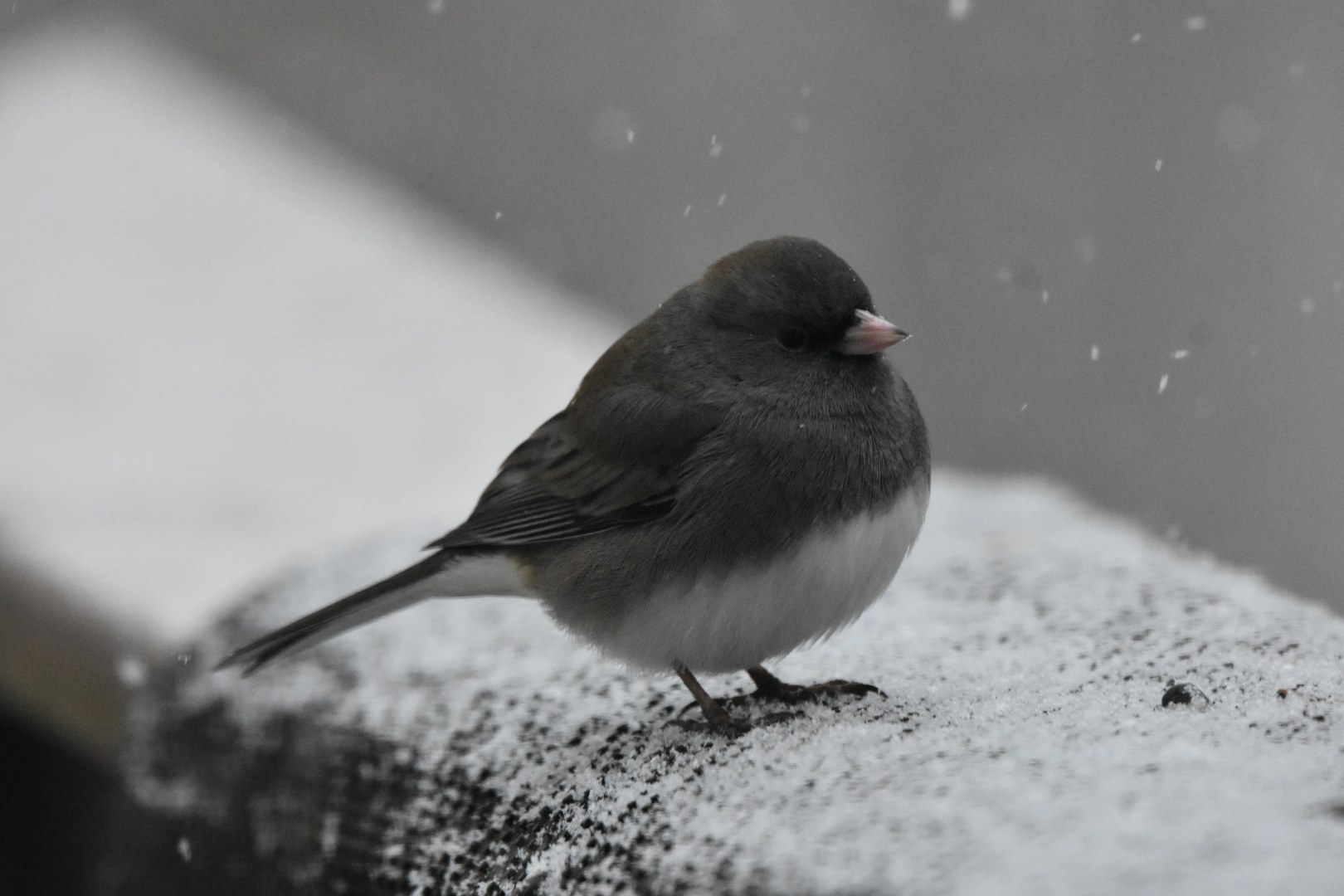

Which foods suit common UK garden birds?
The RSPB's food and feeder guide gives these examples. Seeds and peanuts remain subject to the UK November–April window above.
Robins and Blackbirds: mealworms in a suitable hanging mealworm feeder.
Finches, tits and sparrows: sunflower hearts in a seed feeder.
Tits and Nuthatches: peanuts in a rigid mesh peanut feeder.
Tits, sparrows and Starlings: suitable fat balls in a purpose-made holder.
These are starting choices, not a promise that every species will visit. Use the equipment guidance below; a food preference does not override hygiene advice.
What should you avoid putting out?
RSPB guidance advises against salted foods, cooked leftovers and loose peanuts. Use a proper peanut feeder rather than offering whole nuts loose. Discard mouldy or spoiled food, and do not use the garden to dispose of unwanted kitchen scraps.
Remove nylon mesh packaging from fat balls or peanuts before putting them in a suitable holder: birds can become entangled. Buy bird peanuts from a reputable supplier that checks for aflatoxins.
How much food, and how often?
Begin with a small amount and watch how much is eaten. Reduce the next serving if leftovers accumulate; discard spoiled food promptly. Avoid repeatedly topping up old food with fresh seed.
For UK readers, RSPB limits are: seeds and peanuts eaten within one or two days, mealworms eaten or cleared by dusk, and suet left no longer than seven days. These are upper limits, not permission to leave wet or deteriorating food outside.
Try a simple daily note: food offered, leftovers, condition of the feeder and birds seen. Our editorial suggestion is to use those observations to adjust quantities rather than following a fixed scoop size for every garden.
Choose equipment you can keep clean
UK: RSPB advice is to avoid flat feeding surfaces, including trays and bird tables. A roof does not remove that recommendation. Our guide to ground feeders and current UK advice explains the equipment distinction.
US and Canada: Project FeederWatch's current cleaning and disease guidance recommends thoroughly washable equipment. It advises cleaning seed and suet feeders every week or two, and more often with heavy use or wet weather. Its disease precautions vary with the infection; they are not identical to the UK's general advice against flat surfaces.
“Allow feeders to dry completely before refilling.”
Remove debris, wash thoroughly, rinse and allow equipment to dry before refilling. Keep the ground beneath feeding areas clear. Wear gloves and wash your hands after handling or cleaning feeders. For disinfection, follow the relevant guidance and product instructions rather than assuming household recipes are interchangeable.
Remember water, cover and natural food
The Cornell Lab's winter garden guide explains how food, water and cover work together. In North American gardens, suitable native fruiting plants and evergreen cover can provide resources beyond a feeder.
Where water freezes, consider a purpose-made bird-bath heater used according to its instructions. Heating does not replace cleaning or refilling. For UK bird baths, change water daily and clean weekly; check the RSPB source for its tap-water advice and the exception for chloraminated supplies. For North America, follow FeederWatch's water-care guidance. Check any bath daily during freezing conditions.
What if the bird bath freezes and you have no heater?
The RSPB's bird-bath guide recommends melting ice with hot water and warns against adding salt, antifreeze or glycerine. Our practical routine is:
Check the bath in the morning and again if freezing continues.
For a removable bowl, let it thaw away from visiting birds. For a fixed bath, use water to melt the ice only if the bath's care instructions allow it; avoid pouring boiling water onto a frozen or fragile surface.
Empty the thawed water, rinse away debris and refill with fresh, cool water, following the regional water guidance above.
Repeat as needed. Thawing clears the ice temporarily; it does not keep the water ice-free all day or replace the cleaning routine.
Keep useful shrubs and seed-bearing plants rather than clearing the whole garden for winter. For an adaptable starting layout, see our garden-bird guide; its feeding and water details are labelled for the UK.
What if something goes wrong?
Food is wet or mouldy: discard it, clean the feeder and reassess weather protection before refilling.
Food remains untouched: reduce the amount and watch which birds are present. Adding more is not a useful first response.
Rats repeatedly take food: our recommendation is to pause that arrangement, remove accessible food and review storage and spillages.
You see sick birds: use the regional disease guidance. In the UK, BTO advises stopping feeding for at least two weeks after the last unwell bird and leaving baths empty until no more sick or dead birds are seen. FeederWatch's North American advice is disease-specific and notes that removing feeders may have different effects where many neighbours also feed. Seek local advice rather than applying one universal restart rule.
Autumn and winter feeding questions
Will autumn feeding stop birds migrating?
Cornell Lab migration guidance explains that feeding does not generally prevent migration. Do not use that as a reason to disregard local feeding restrictions: migration and disease risk are separate questions.
What if I cannot maintain a feeder all winter?
Plan for cleaning and checks before starting. If that is not realistic, support birds through suitable planting and cover instead. FeederWatch recommends limiting feeding to periods when you can care for equipment properly.
Can I scatter seed on snow?
Do not assume that a snowy surface makes ground feeding appropriate. In the UK, follow the seasonal limits and ground-feeding advice rather than scattering a seed mix. Elsewhere, check local guidance and consider how you would retrieve wet food and prevent waste building up.
Related reading: Feeding birds in spring and summer: a practical guide.
Sources and editorial notes
Guidance checked 23 September 2026. Originally published 3 January 2021; substantially revised to distinguish UK and North American advice. The linked editorial sources are RSPB seasonal guidance (24 July 2026), Project FeederWatch's food and cleaning guides (page dates unstated), and Cornell Lab's winter garden guide (page date unstated). The RSPB food and feeder guide and bird-bath guide (page dates unstated) support the added UK examples, unsuitable-food advice and ice precautions. Additional named references: BTO, Good hygiene practice; Cornell Lab Bird Academy, Fall Migration: Tips to Help Birds on Their Way. No named organisation has reviewed or endorsed this article.