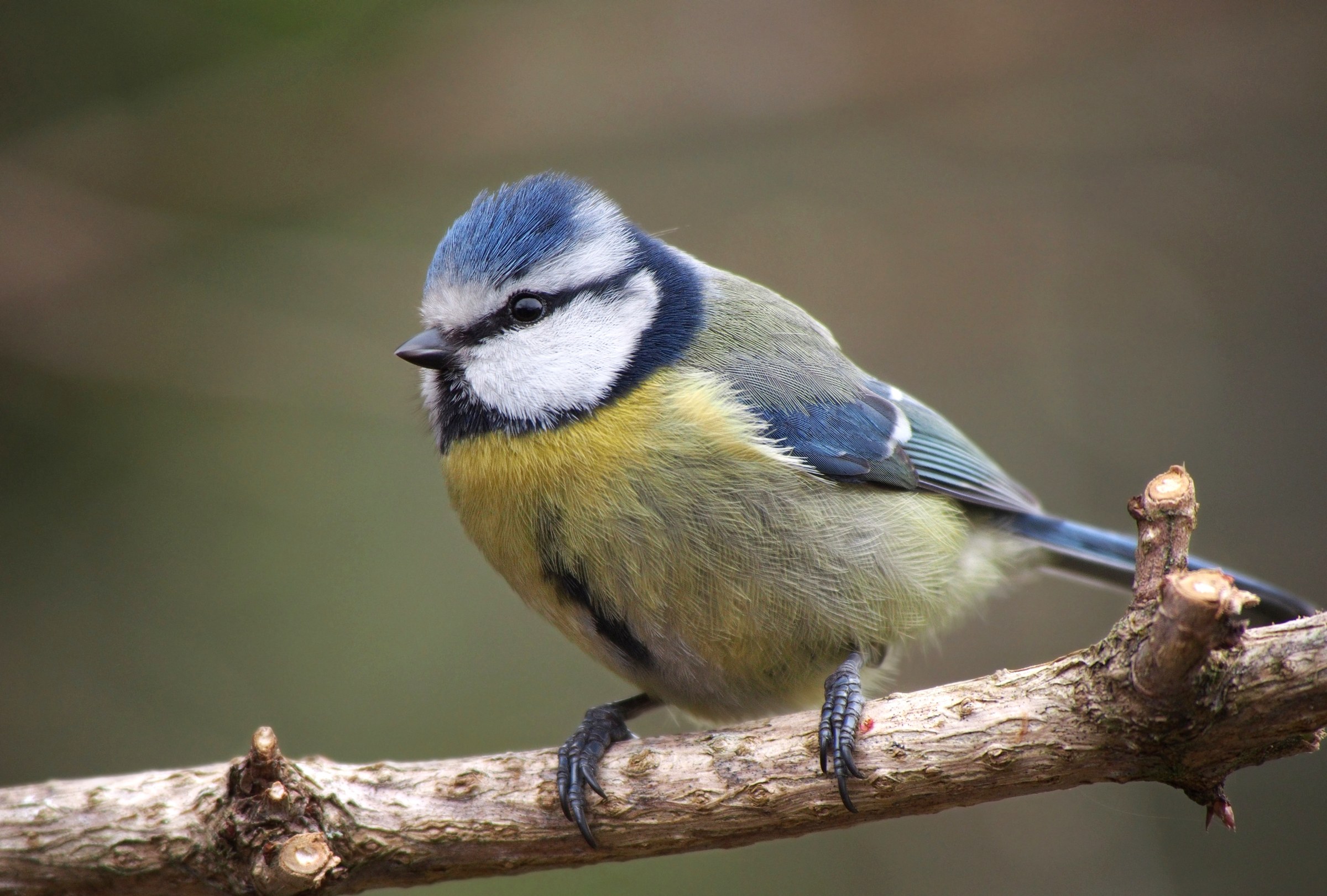
Feeding birds in spring and summer calls for smaller, carefully maintained feeding arrangements and advice matched to your region. In the UK, the important change comes on 1 May: pause seeds and peanuts until the end of October. That calendar should not automatically be applied to the United States or Canada.
This guide covers UK gardens with a separate North American section. Seasons, species and disease alerts differ elsewhere. Start with the birds you can identify and the care you can reliably provide.
Should you feed birds throughout spring and summer?
The RSPB’s seasonal guidance distinguishes March–April, when seeds and peanuts may still be offered, from 1 May–31 October, when these foods should be paused. Small amounts of mealworms or suitable suet remain options during that pause. The aim is to reduce disease risk; a busy feeder is not necessarily a successful feeding arrangement.
“Pause filling your bird feeders with seeds or peanuts.”
Where and when | Starting point |
|---|---|
UK: March–April | Seeds and peanuts remain within the seasonal feeding window; maintain hygiene. |
UK: May–October | Pause seeds and peanuts. Consider small quantities of mealworms or suitable suet. |
United States and Canada | Follow local wildlife alerts and North American guidance; do not import the UK calendar. |
What can you offer UK birds during nesting season?
The RSPB’s nesting-season food guide recommends moderation, with these useful distinctions:
Mealworms: an option for birds including Robins, Wrens and Starlings. Soak dried mealworms to soften them for young birds, and clear leftovers before dusk.
Suet: choose a product intended to resist melting in warm weather. Avoid products containing visible large whole seeds during the seed pause.
Heat and leftovers: remove food that has softened, deteriorated or become wet. Shade alone does not make every suet product suitable for summer.
Read the ingredients as well as the product name. A pack labelled “summer” or “all season” still needs to fit the regional advice.
What is different in the United States and Canada?
Project FeederWatch’s North American feeding guide gives these options, subject to local wildlife alerts:
Black-oil sunflower seed for cardinals, chickadees and finches.
Mealworms for bluebirds and wrens.
Orange halves for orioles; discard mouldy fruit.
Choose for the birds visiting your garden, rather than offering everything. These seed suggestions apply to the United States and Canada; UK readers should follow the seasonal pause above.
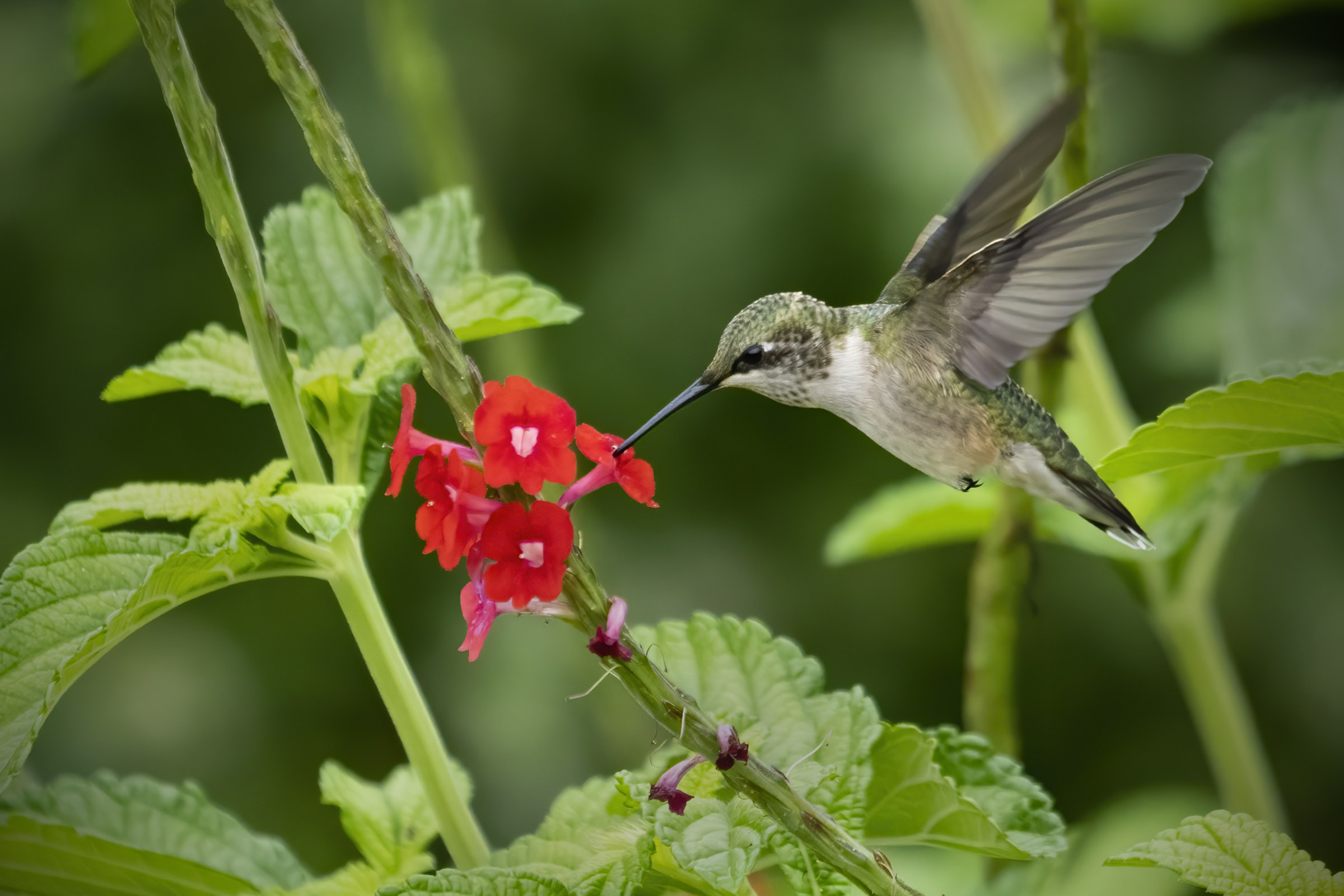
Hummingbirds: dissolve one part sugar in four parts boiling water; cool before use. Clean feeders every couple of days, more frequently in heat and ideally at each refill. Discard cloudy or mouldy nectar and clean immediately.
In bear country, FeederWatch advises against feeding while bears are active; check local guidance.

How much food, and what time of day?
There is no universal scoop size or feeding time for every garden. Our suggested routine is a small morning serving and a later check for leftovers or deterioration. For a few days, note what you offer and what remains; reduce portions if food is ignored. Check after rain as well as during hot spells.
Which foods should you avoid?
FeederWatch warns against salted or flavoured peanuts, spoiled food and red colouring in nectar. Ordinary suet can turn rancid in heat. These cautions do not override regional restrictions: in the UK, peanuts and seeds still need to be paused from May through October.
How should you manage feeders and water in warm weather?
UK: RSPB guidance calls for weekly cleaning of feeders and baths, daily fresh bath water and avoiding flat feeding surfaces. Remove debris below feeders. For an explanation of feeder design, see our guide to attracting birds to ground-feeding areas safely.
US and Canada: wash seed and suet feeders every one to two weeks, sooner in wet weather or heavy use; rinse and dry. Wear gloves and wash hands afterwards.
For placement, follow the RSPB’s bird-bath guidance: choose a shallow dish with gently sloping sides, on level ground away from low bushes or long grass where cats could hide.
Our hot-weather routine is to check water in the morning and again later. Replace it if it is dirty and replenish it if the bath is drying out; simply topping up dirty water leaves the dirt behind. Keep the bath easy to reach so these checks are practical. If birds appear ill, follow current regional disease guidance.
How can you help without putting out more food?
FeederWatch recommends native planting, even in containers, to provide insects and shelter. Our suggestion is to choose one manageable improvement suited to your space and light, then build on it.
Should you leave out nesting materials?
Cornell NestWatch’s updated nesting-material advice warns against yarn, string, dryer lint and potentially harmful hair or fur. Long strands can entangle nestlings, while pet fur may carry chemical treatments. Do not offer craft scraps as a nesting aid.
Natural materials such as fallen twigs, leaves and untreated grass are better options. Birds can find their own materials; leaving a suitable untidy corner is often simpler than assembling a collection for them. Keep feeding and gardening activity away from active nests.
What if you find a young bird on the ground?
Putting out food for visiting birds is different from caring for a young bird you have found. The RSPCA’s baby-bird guidance for England and Wales distinguishes a feathered fledgling, normally still cared for by its parents, from a nestling with few or no feathers.
Keep pets away from a healthy fledgling, leave it alone and observe from a distance. An injured bird needs prompt advice from a wildlife rescue centre or vet. A nestling outside its nest also needs a different response: use the linked guidance and seek help if unsure. In other regions, contact a local wildlife rehabilitator for advice appropriate to the species and location.
Spring and summer feeding questions
Are goldfinches an exception to the UK summer seed pause?
No. RSPB guidance applies even where particular finches are not regular visitors. Do not continue nyjer or sunflower seed through the pause solely because you hope to attract goldfinches.
Should I keep feeding if I go away?
Arrange someone who can check and clean the equipment, not just top it up. If that care is unavailable, pause feeding rather than leaving a large supply unattended.
Related reading: Feeding birds in autumn and winter: a practical guide.
Sources and editorial notes
Guidance checked 23 September 2026. Originally published 3 January 2021; revised to distinguish regional feeding advice and clarify nesting-season care. Sources: RSPB seasonal guidance (24 July 2026); RSPB nesting-season food guide (8 June 2026); Project FeederWatch, Feeding Birds (page date unstated); Cornell NestWatch, What Kind of Nest Materials are Best to Provide for Birds? (29 April 2021, updated May 2025). Additional sources: RSPB, Make the perfect bird bath; RSPCA, Found a baby bird out of a nest (both page dates unstated, checked 23 September 2026). Monitoring and planning suggestions are Ground Feeders editorial recommendations. No named organisation has reviewed or endorsed this article.