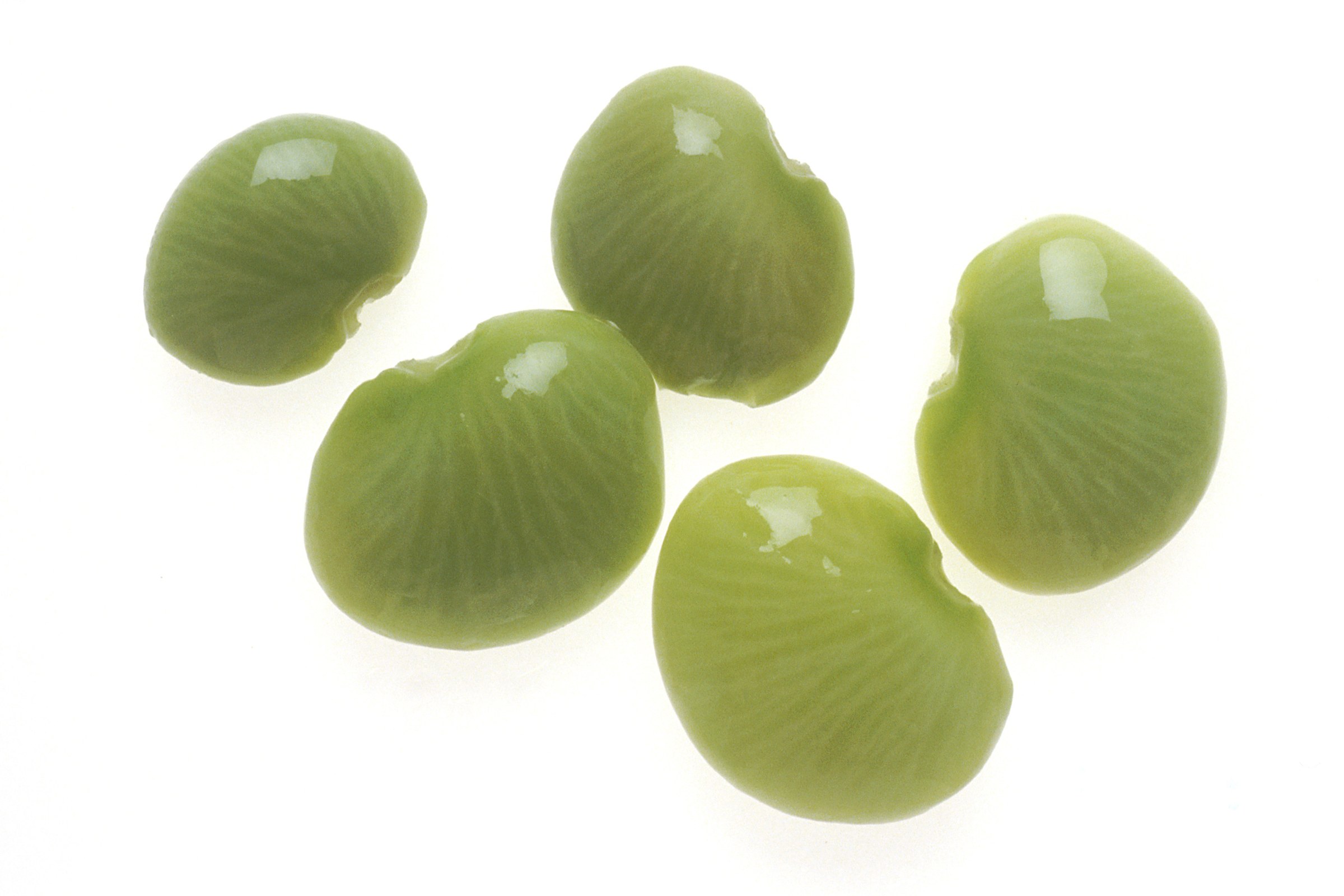
Yes, a pet parrot can eat a small amount of plain, fully cooked lima beans occasionally. Also sold as butter beans, they should never be offered raw or partly cooked. Keep them as one small part of a balanced diet. If your bird has a prescribed diet or a health condition, ask your avian vet before adding new foods.
Why do lima beans need cooking?
The Feedipedia account of lima beans identifies naturally occurring cyanogenic compounds and lectins in raw beans. Soaking and thorough cooking reduce these hazards. That is why a raw bean, a soaked but uncooked bean, or a bean that is still firm in the centre is not a suitable parrot treat. There is no reliable single cooking time for every batch, so check that the beans are cooked all the way through.
The Humane Society of Kitchener Waterloo & Stratford Perth’s bird-care handout includes cooked lima beans among supplementary foods for parrots. It also says cooked food should be cooled completely before serving.
Cooked foods should always be allowed to cool completely before being offered to your bird.
How to prepare dried lima beans
Sort and rinse the dried beans. Soak them as directed on the packet, then discard the soaking water.
Cook in fresh water according to the packet until every bean is completely soft, including at its centre. Do not use beans that remain hard or seem undercooked.
Let the beans cool completely. Offer a small plain portion, with no salt, oil, sauce, garlic or onion.
Check before serving
The bean should be soft all the way through and cool to room temperature. If you are unsure how it was cooked, choose another food.
What about frozen or canned lima beans?
Frozen: thawing is not the same as cooking. Follow the packet’s cooking directions until the beans are fully cooked and soft, then cool them before serving. A “ready to eat” label should be checked carefully rather than assumed.
Canned: choose beans that are already cooked and packed plain, preferably with no added salt. Drain and rinse them, and check the ingredients for salt, garlic, onion, sauces or other seasonings. Do not offer a seasoned bean dish prepared for people.
How much can a parrot have?
Offer only a small amount as an occasional addition, not a daily staple. A safe portion depends on the bird’s species, size, usual diet and health; a universal tablespoon rule would be misleading. The Humane Society handout treats cooked beans as a small supplementary food rather than a daily one. University of Illinois avian nutrition guidance places an appropriate formulated diet at the centre of pet-parrot feeding and treats legumes and other whole foods as additions.
Watch your bird when introducing any new food. Remove uneaten cooked beans within four hours and wash the dish, as the Humane Society handout advises.
If your parrot eats a raw bean
Remove access to the beans and contact an avian vet promptly. Tell the vet whether the bean was raw, soaked, partly cooked or canned, approximately how much the bird ate and when. Seek veterinary advice as well if the bird seems unwell after eating. Do not wait for symptoms before making the call.
Related reading: African Grey Parrot Care: Housing, Diet and Daily Routine.
Sources & further reading
Humane Society of Kitchener Waterloo & Stratford Perth, Birds care handout, pp. 7–8 and 11 (date not stated; checked 27 September 2026): https://assets.ctfassets.net/ph2z1mi826lg/4kJ32uRz234d5Byp7hitUS/d281ae786ea837cc2b9fb92213b28d51/HSKWSP-Bird-Handout-2022NN-EDITS.pdf
University of Illinois College of Veterinary Medicine, Judilee C. Marrow, “Where Avian Nutrition and Health Intersect”, 2 June 2026 (checked 27 September 2026): https://vetmed.illinois.edu/2026/06/02/where-avian-nutrition-and-health-intersect/
Feedipedia, “Lima bean (Phaseolus lunatus)” (checked 27 September 2026): https://www.feedipedia.org/node/267