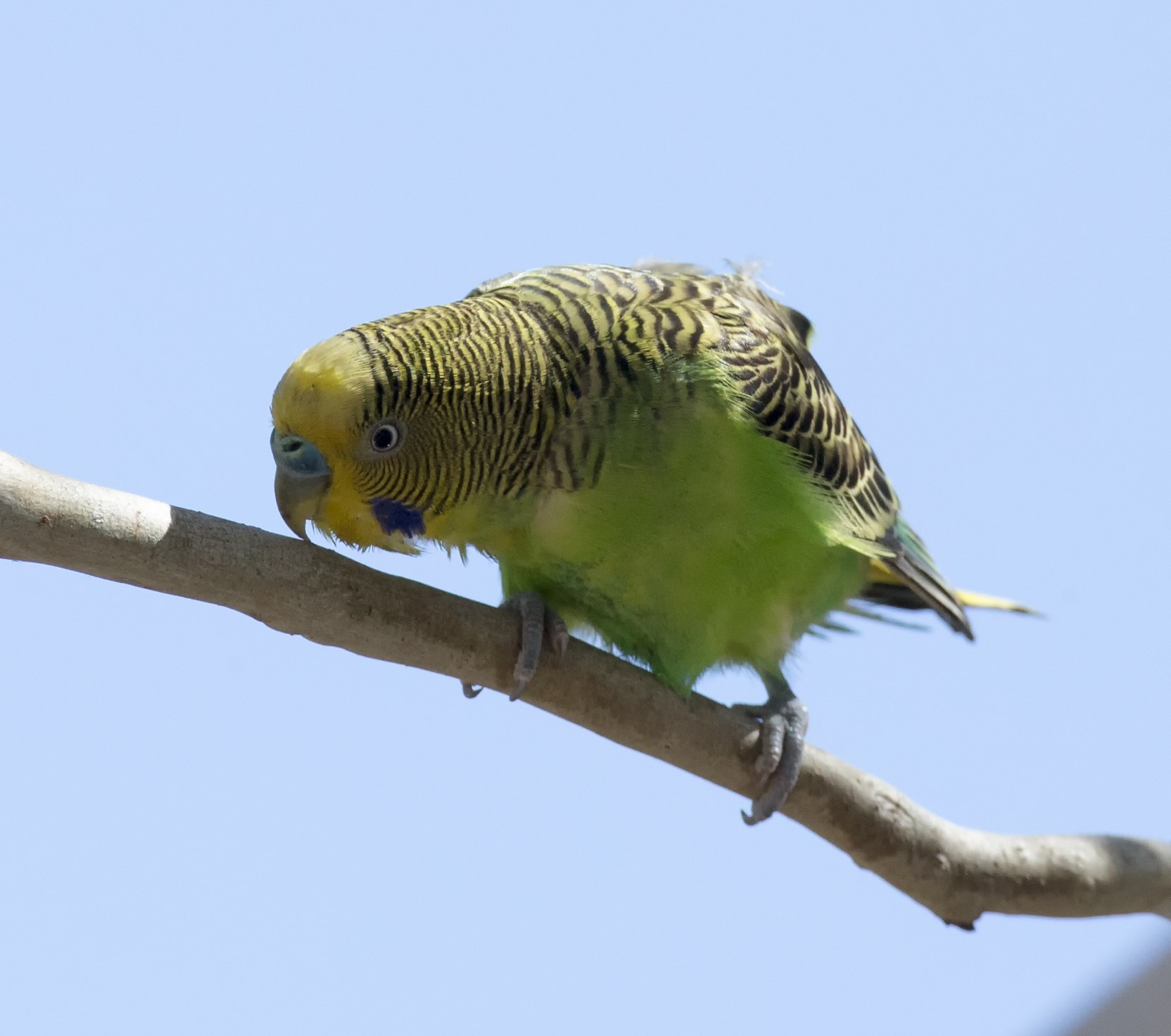
Do not expect a pet parrot to swim to safety in deep water. Never put one in a pool or deep bath to test its ability. A bird bath means shallow water or a gentle mist that the bird can choose to use; it is not a swimming lesson. This guidance is for companion parrots, including budgies, rather than waterbirds or wild parrots.
Can parrots swim or float?
For a pet bird, the safe answer is to assume it cannot swim out of trouble. The veterinary guidance documents drowning hazards; it does not establish swimming performance across parrot species. Claims that all parrots sink immediately or float well would both go beyond that evidence. Even brief time at the surface would not show a bird could reach an edge or climb out. The MSD Veterinary Manual’s household-hazards guidance identifies open toilets, sinks and tubs as drowning risks for pet birds. Close toilet lids and keep baths, sinks, buckets and pools inaccessible when a bird is out.
Birds can drown when they fall into open toilets, sinks, or tubs of water
How can I let my parrot bathe safely?
For a healthy, fully feathered pet bird, offer a stable, shallow dish of plain, comfortably warm water so it can step in and out itself. Stay nearby, change the water and clean the dish after use. A gentle mist from a clean spray bottle is another option. If the bird moves away or looks distressed, stop and offer a different choice another day. VCA’s veterinary bathing guidance supports shallow water, gentle misting and using water alone rather than soaps or bathing products.
Can I use a shower?
A bird that accepts a secure shower perch can be offered gentle splashes or mist. Keep the tub empty, and stop if the bird backs away. The direct shower jet is too forceful for this purpose.
Check the shower setup first
Test that the perch is secure before the bird steps onto it. Keep the bird outside the direct spray, watch its response and let it leave. Turn the water off before moving it from the shower area.

Should I dry a wet parrot with a hairdryer?
After an ordinary bath, give the bird time to preen and dry in a comfortably warm room without draughts. A hairdryer is unnecessary for routine bathing and can overheat or frighten a bird. VCA advises caution with dryers and says not to force one on a frightened bird. If a bird is soaked after an accident or seems cold, weak or unwell, seek veterinary advice rather than treating it as a normal bath.
What if my parrot falls into water?
Take the bird out promptly, move it to a quiet, warm place and contact an avian vet for guidance. Breathing trouble, marked weakness or unresponsiveness needs urgent veterinary care. The MSD Veterinary Manual’s bird-injury guidance treats breathing difficulty and severe weakness as emergencies. Do not wait to see whether the bird can swim to safety.
What about baby parrots?
The self-directed bath options above are intended for healthy, fully feathered pet birds. They are not a care plan for an unweaned chick. If a chick needs cleaning, ask an avian vet for an age- and species-appropriate method instead of immersing it.
Related reading: African Grey Parrot Care: Housing, Diet and Daily Routine.
Sources & further reading
MSD Veterinary Manual, Laurie Hess, DVM, “Household Hazards for Pet Birds”, updated April 2025, https://www.merckvetmanual.com/bird-owners/routine-care-and-safety-of-birds/household-hazards-for-pet-birds — checked 27 September 2026. VCA Animal Hospitals, Gregory Rich, DVM; Laurie Hess, DVM; Rick Axelson, DVM, “Bathing Birds”, updated 10 April 2026, https://vcahospitals.com/leon-springs/know-your-pet/bathing-birds — checked 27 September 2026. MSD Veterinary Manual, Laurie Hess, DVM, “Injuries and Accidents of Pet Birds”, updated May 2026, https://www.merckvetmanual.com/bird-owners/disorders-and-diseases-of-birds/injuries-and-accidents-of-pet-birds — checked 27 September 2026.