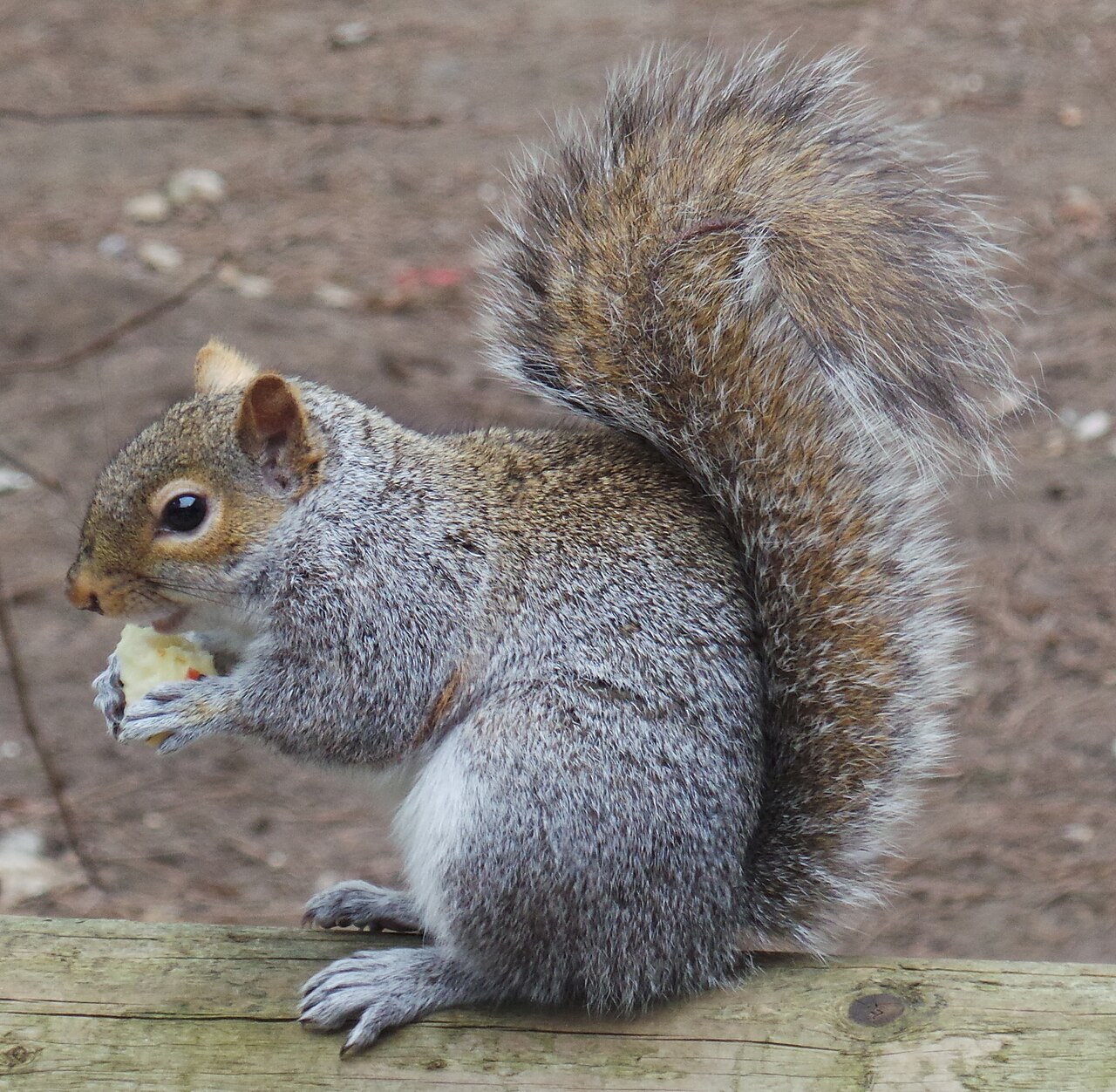
Yes. Red and grey squirrels eat fruit, including berries, but fruit is only one part of what they find. In Britain, tree seeds and nuts are central to both species’ diets. If you want to help garden visitors, fruit-bearing plants and other natural food sources are a better starting point than a daily plate of supermarket fruit. This guide is about wild squirrels in the UK, especially red squirrels in areas where they still occur.
What fruit do red and grey squirrels eat?
The Woodland Trust’s red squirrel guide says reds eat fruit alongside tree seeds, nuts, shoots and fungi. Its grey squirrel guide lists berries in their diet, while noting that nuts, acorns and tree seeds are the main foods. One specific example is apple: Saving Scotland’s Red Squirrels includes it in its guidance for occasional supplementary food for reds. Fruit can be part of the diet, but these guides do not recommend a daily fruit ration.
Five fruiting plants for a squirrel-friendly garden
For gardens visited by red squirrels, Saving Scotland’s Red Squirrels recommends growing shrubs and small trees that provide berries and nuts. Among its examples are:
Crab apple — a small tree that offers fruit as part of a wildlife-friendly planting mix.
Raspberry — a fruiting shrub that can also provide cover.
Cherry — a tree or shrub chosen for its fruit and wider garden value.
Hawthorn — a hedgerow plant with autumn berries.
Blackthorn — another hedgerow choice that bears sloes.
These are planting ideas from red squirrel conservation guidance, not a ranked menu or a promise that every squirrel will eat every fruit. Choose plants suited to your site and let the garden offer a variety of natural foods over the seasons.
the very best thing you can do is make your garden as wildlife friendly as possible.
Should you put cut fruit out for squirrels?
There is no need to feed wild squirrels fruit to keep them healthy. Where red squirrels occur and local conservation advice supports supplementary feeding, Saving Scotland’s Red Squirrels includes apple as an occasional addition to a varied food mix. It advises small amounts rather than replacing natural foraging. Keep any feeder and leftover food clean so it does not become mouldy.
In places where red and grey squirrels overlap, the same project advises stopping supplementary feeding if greys appear, because shared feeders can spread squirrelpox to reds. Check with your local red squirrel group before setting up a feeder. Planting natural food and shelter remains a useful way to support a wildlife-friendly garden without concentrating animals at one food point.
Start with one fruiting plant
If you have room, choose a site-suitable crab apple, raspberry or hawthorn from the conservation planting list. Let it provide seasonal food and shelter rather than using cut fruit as a daily ration.
Are bananas, grapes or raisins good choices?
The UK wildlife guidance checked here offers no routine serving advice for bananas or grapes. Seeing a squirrel eat either fruit does not establish a safe daily portion or a health benefit. Saving Scotland’s Red Squirrels specifically advises avoiding sweet dried fruit such as raisins and sultanas for red squirrels. For wild visitors, provide varied natural food plants instead of a fruit ration.
Related reading: What Is the Best Food for Wild Squirrels? A UK Guide; Can Squirrels Eat Bread? What to Do Instead.
Sources & further reading
Woodland Trust — “Red squirrel” (undated), https://www.woodlandtrust.org.uk/trees-woods-and-wildlife/animals/mammals/red-squirrel/ (checked 27 September 2026).
Woodland Trust — “Grey squirrel” (undated), https://www.woodlandtrust.org.uk/trees-woods-and-wildlife/animals/mammals/grey-squirrel/ (checked 27 September 2026).
Alexa Seagrave — “To feed or not to feed?”, Saving Scotland’s Red Squirrels (21 December 2016; page updated 16 October 2019), https://scottishsquirrels.org.uk/2016/12/21/to-feed-or-not-to-feed/ (checked 27 September 2026).