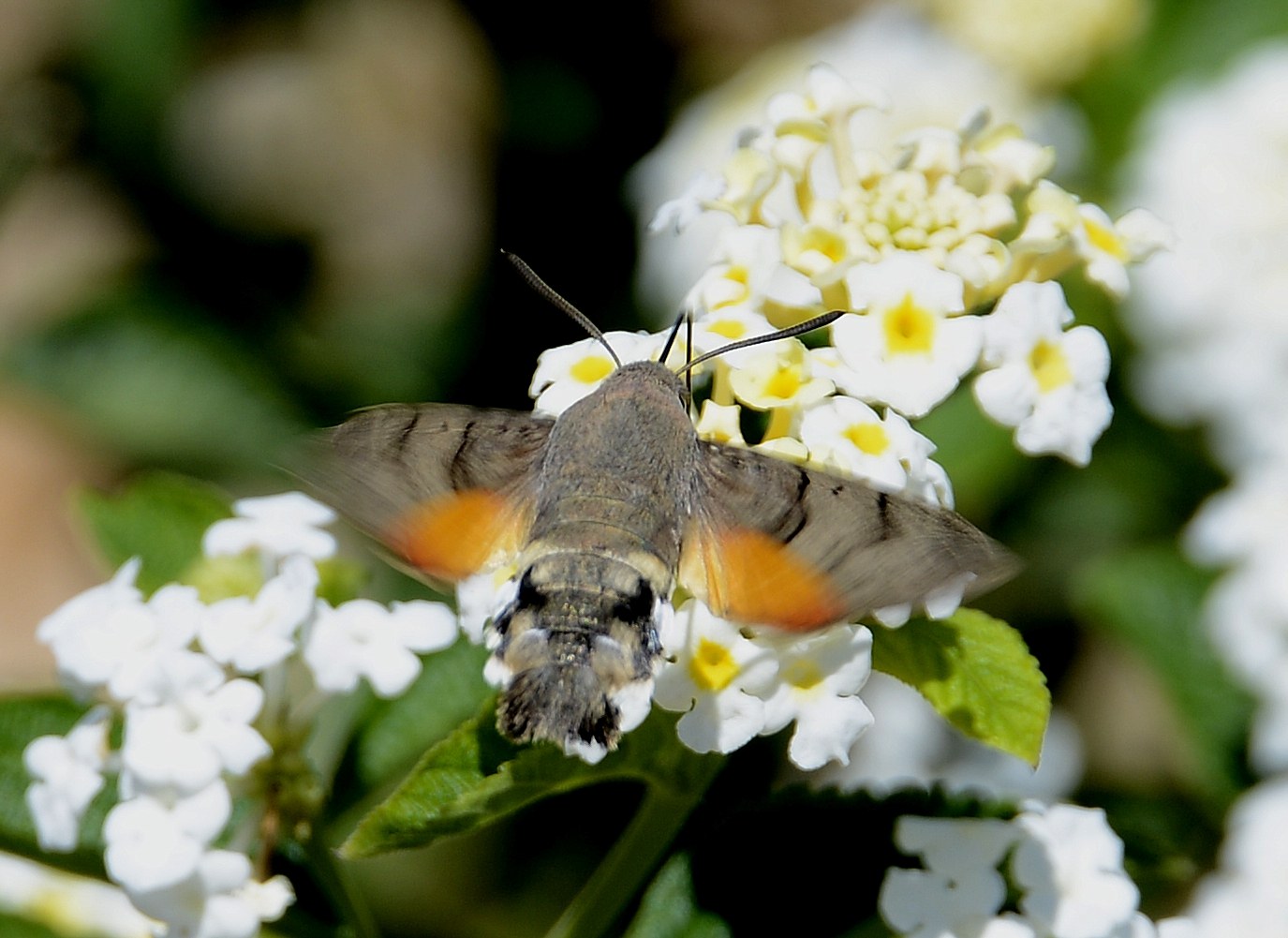

The easiest place to start is with what is already growing. Adult moths need flowers, while their caterpillars need leaves from suitable food plants. Both need places to shelter. In a UK garden, a patch of longer grass, a few plants left standing over winter and less outdoor lighting can do as much useful work as a new border of flowers. You can add planting once you know which of those pieces is missing.
Look beyond the flowers
An evening-scented flower gives a flying moth somewhere to feed. Sweet rocket and honeysuckle are two possibilities for a garden border; evening primrose suits a sunnier place. The RHS guide to moths in gardens lists these among nectar plants. Choose plants that fit your soil, light and available space, and aim for flowering at different times rather than buying several that bloom together.
But a moth visiting a flower is only part of the story. Its caterpillars may need a quite different plant. A garden of nectar flowers with every patch of grass cut short and every wild plant removed may give adults a meal without offering somewhere for the next generation to feed. Butterfly Conservation's gardening guidance explains why a variety of plants matters: many caterpillars feed on only a small range of plants.
Before clearing a border, look at the leaves already there. Plantains, clovers, docks and nettles can feed different moth caterpillars; longer grasses and native shrubs add other possibilities. You need not surrender the whole garden to nettles. A small, out-of-the-way patch that you can leave undisturbed is a more workable start than a tidy border with no leaves left for feeding. If you have space for a hedge, hawthorn is one of the native shrubs the RHS identifies as supporting moth caterpillars. A patio can still offer nectar in containers, though it cannot replace all the shelter and food plants of a planted garden.
Those leaves are part of a wider food chain. The RHS notes that garden birds such as blue tits and robins need caterpillars and other insects to raise their chicks. Adult moths also feed bats and other nocturnal hunters. A patch of host plants is therefore useful even if you rarely see a moth at a flower.
Make a small moth corner
Before you buy anything, choose one edge of the garden where grass, fallen leaves and standing stems can remain. Note what already grows there, then add a suitable nectar plant if flowering is sparse. Revisit the corner through the year before deciding what else it needs.
Leave somewhere to hide
The end of the flowering season is not the end of the garden's use to moths. Caterpillars can shelter among fallen leaves, old stems and other plant debris through winter. Cutting every stem and stripping every leaf away in autumn can remove those places. Butterfly Conservation recommends delaying some cutting back until spring. Leave material at the back of a border if you want the front to look orderly.
This is a useful distinction when you find chewed leaves. A few holes do not mean a plant is failing. The RHS notes that most moth caterpillar feeding in gardens causes little lasting harm to vigorous plants. Watch the plant's new growth before deciding whether to intervene. If a particular crop or young plant is genuinely struggling, deal with that plant rather than treating the whole garden as a pest problem.
“One of the easiest ways to make your garden better for moths is simply to stop working so hard!”
Keep the night darker
Outdoor lights may help you see a path, but a light left on all night changes the conditions around the flowers and foliage. The RHS planting advice for moths recommends keeping night lighting to a minimum. Use light only where and when you need it. A timer or motion sensor can make that easier around a doorway or path. This is a modest change you can make even if you have little room to plant.
If you want to see what visits, try watching a flowering plant at dusk first. On a warm evening from spring to autumn, you can also hang a white sheet and shine a light onto it for a short observation session, as the RHS suggests. The visitors may include moths that are hard to notice against leaves or brickwork by day. A quiet evening without a sighting does not tell you that the garden has no moths: species fly at different times and respond differently to weather and light.
How will you know the garden is being used?
Look at more than the flowers. You may spot a day-flying moth, find a caterpillar feeding on a leaf or see an adult resting against a wall the next morning. Many moths are difficult to name from a glance, so take a photograph and compare it with a reliable field guide before recording a species. A single quiet evening is not a verdict on the garden. Notice what appears across the season, and let that guide your next change.
Sources & further reading
- Royal Horticultural Society, RHS Advice Team. “Moths in your garden”, undated. Checked 1 October 2026 — Read source
- Butterfly Conservation. “Gardening for moths”, undated. Checked 1 October 2026 — Read source
- Royal Horticultural Society. “Plants for moths”, undated. Checked 1 October 2026 — Read source