.jpg)
A butterfly can visit a border full of flowers and still have nowhere to lay her eggs. Adult butterflies drink nectar; their caterpillars need the particular leaves or flower buds their species can eat. If you have room for only one change, choose a food plant for a butterfly that already lives nearby, then let some of that plant be eaten.
Match the plant to the butterfly
There is no single “butterfly plant” for every stage of life. The RSPB's caterpillar planting guide suggests checking the butterflies found locally before choosing plants. Its UK distribution notes are a useful starting point, though a plant does not guarantee that a butterfly will find your garden.
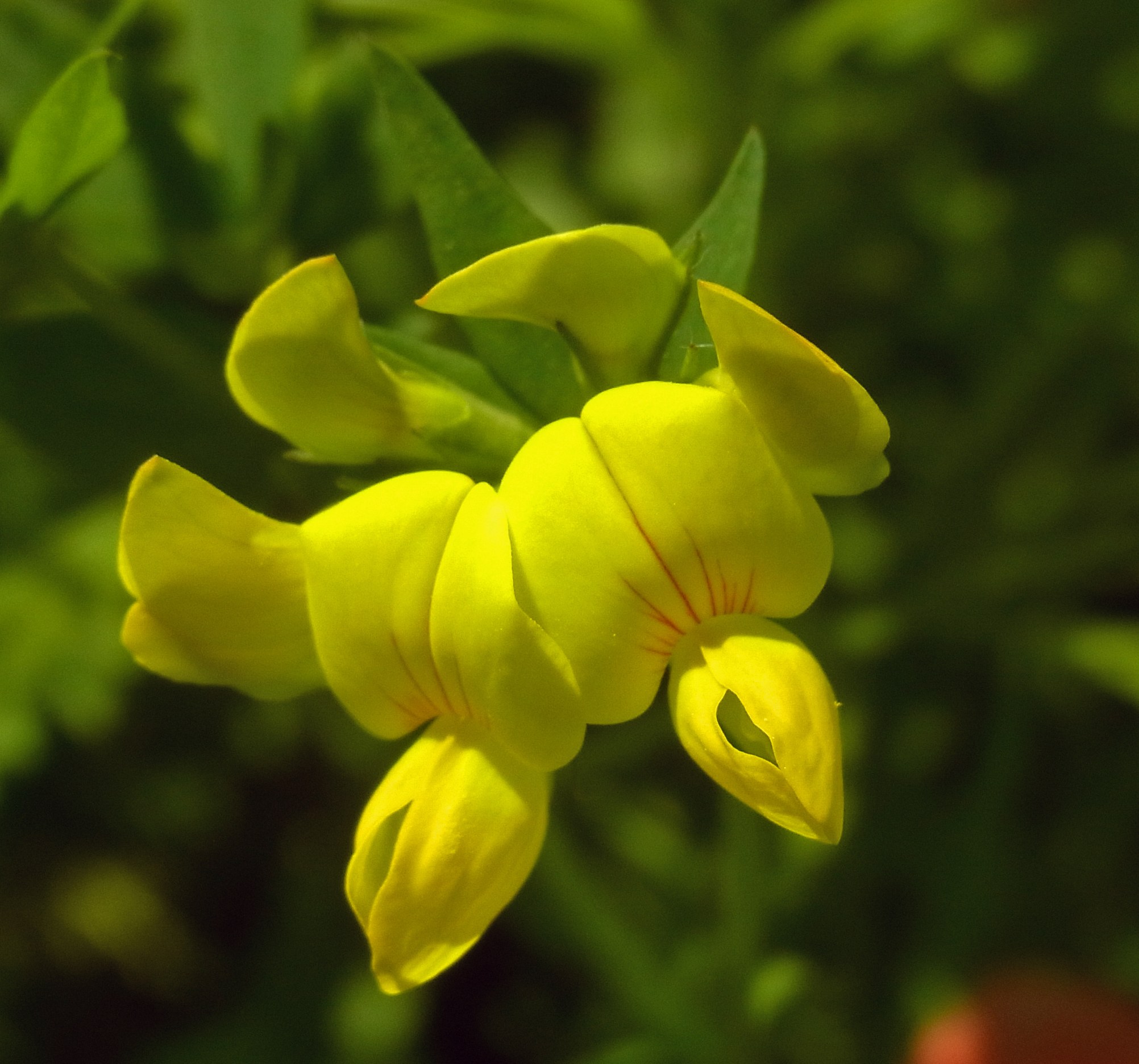
A small sunny patch: bird's-foot trefoil can feed Common Blue caterpillars. Let it grow among other low meadow plants rather than keeping that patch as a close-cut lawn.
A damp edge or a partly shaded border: cuckooflower (lady's smock) and garlic mustard are food plants for Orange-tip and Green-veined White. Cuckooflower suits damp ground; garlic mustard takes a drier spot.
An established wall or shrub: Holly Blue caterpillars use holly in spring and ivy later in the year. Keep flowering growth when it is safe to do so; a clipped green wall offers less.
Space for a large shrub: brimstone caterpillars use alder buckthorn or purging buckthorn. Check their mature size and your soil before buying one.
These pairings also appear in Butterfly Conservation's food-plant chart. Choose a plant that fits the site, rather than squeezing a buckthorn into a small patio or planting a damp-ground flower in dry gravel.
What about nettles?
Nettles feed Red Admiral, Peacock, Small Tortoiseshell and Comma caterpillars. A token stem in a dark corner may be less useful than a sunny, sheltered group of plants. The RSPB notes that many gardens cannot provide a large enough patch, so there is no need to force one into a narrow space used by children or pets.
If you can spare a sunny corner, allow a patch to grow and avoid cutting every stem at once. For a tighter garden, Butterfly Conservation describes growing nettles in containers on a hard surface, with drainage holes and enough room to group more than one pot. Watch for spreading roots and remove flower heads before seeds scatter if you need to contain them. Wear gloves when handling the plants. A container is an experiment, not a promise of caterpillars.
Start with the space you have
Look for the butterflies you actually see nearby. Pick one matching food plant and give it a place where it can grow without constant trimming. In a pot or tiny border, garlic mustard or bird's-foot trefoil is a more realistic first step than a shrub. Keep a separate nectar flower for visiting adults.
“Butterfly caterpillars are fussy about their food and they need us to cater to their tastes.”
Leave enough plant for the next stage
Once you have chosen a food plant, its management matters as much as the label. Leave leaves that have been nibbled; they may be doing exactly what you planted them for. Avoid spraying an occupied plant. Delay clearing or cutting the whole patch while eggs or caterpillars may be present, and keep some sheltering vegetation nearby.
Do not move a caterpillar to a plant that merely looks similar. Use the species and its known food plant as your guide, and let a caterpillar already feeding stay where it is when possible. Some butterflies use grasses, shrubs or trees rather than the flowers we buy for nectar. A mixed garden can offer both, but a single well-chosen host plant is a sound beginning.
Notice what happens
Watch the chosen plant through spring and summer. Look on leaves, buds and stems for eggs or feeding marks, taking care not to strip the plant while checking. If nothing appears in the first season, keep the plant if it suits the garden and look again the following year. By late summer, note whether the plant survived, flowered or spread. That tells you whether its spot is right before you add another food plant next year.
Sources & further reading
- RSPB. “Grow caterpillar food”, undated. Checked 1 October 2026 — Read source
- Butterfly Conservation. “Caterpillar foodplants: butterflies”, undated. Checked 1 October 2026 — Read source
- Butterfly Conservation. “Dig It — May tips from the Secret Gardener”, 9 May 2013. Checked 1 October 2026 — Read source