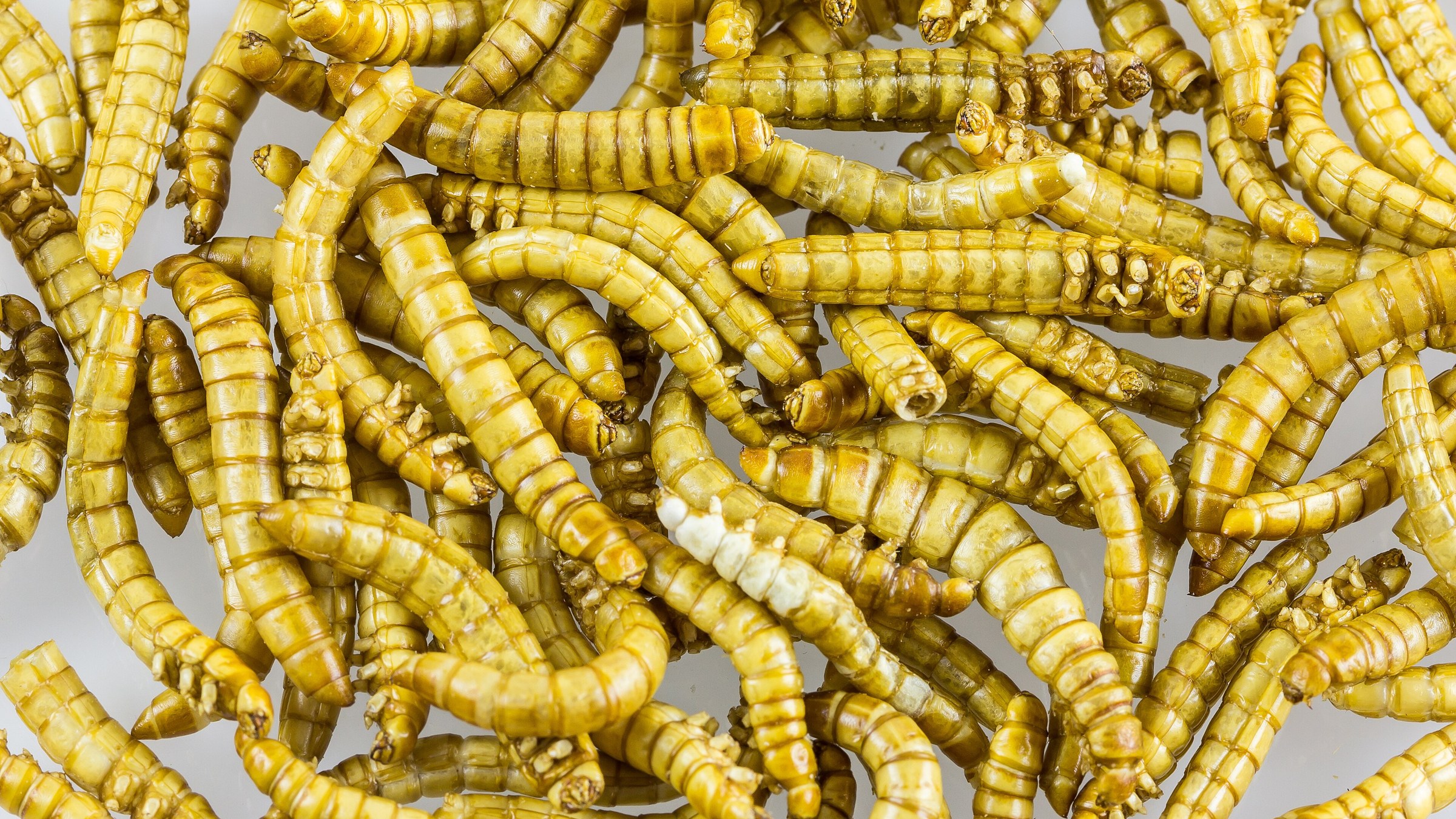
For UK garden birds, you can offer dried mealworms as they are, but soaking them is useful in spring and summer when adults may carry food to chicks. Cover a small portion with warm water for a few minutes, drain it and offer it fresh. Soaking softens the mealworms and increases their water content. It does not replace clean drinking water or good feeding hygiene.
This guide follows current UK advice from the RSPB and British Trust for Ornithology (BTO). It explains the soaking method, how much to offer and when to clear it away.
Why soak dried mealworms?
Dry mealworms are convenient to store, but they contain much less moisture than live ones. The RSPB recommends softening them when adults may feed them to young birds. It is a useful option rather than a requirement for every mealworm offered throughout the year.
“Soak them in water before offering to make it easier for chicks to eat them and also to increase their water content.”
Do not rely on soaked food as the birds' only water source. If you provide a bird bath or drinking dish, follow the same RSPB guidance on changing the water and keeping it clean.
How do you soak dried mealworms?
The RSPB bird food guide says a few minutes in warm water is enough to rehydrate dried mealworms. A prolonged soak is unnecessary for this method.
Put a small portion of dried mealworms in a clean container used for bird food.
Cover them with warm water and leave them for a few minutes, until they have softened.
Drain the water, then put the softened mealworms out straight away.
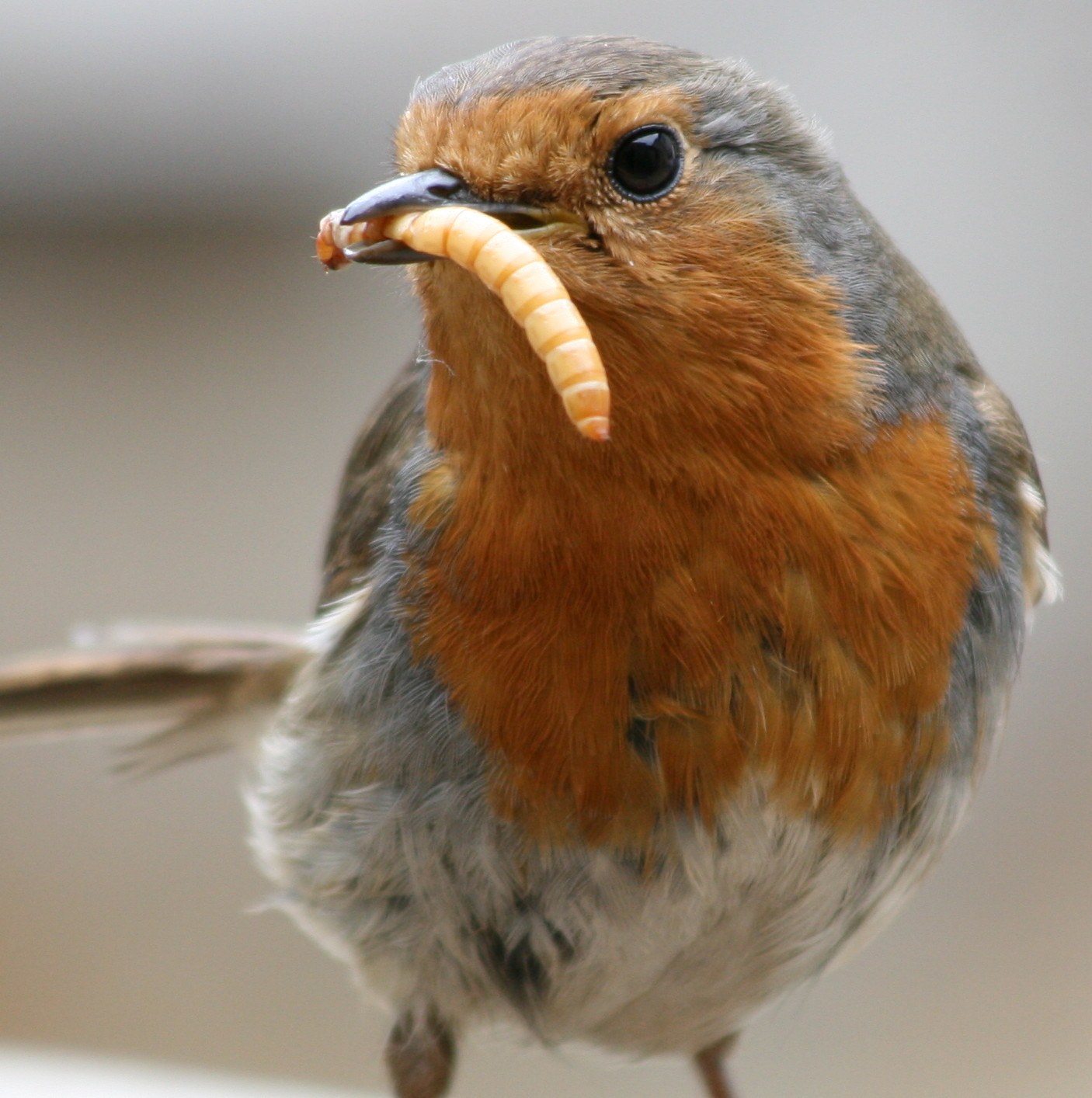
Photo credit: a European robin holding a mealworm, photographed by Philip Heron, CC BY-SA 3.0.
_with_mealworm.jpeg)
Make only a small, fresh batch. Offer what birds are likely to eat promptly and clear away anything left by dusk the same day. Discard wet leftovers rather than putting them back into storage for another day.
How much should you put out, and where?
There is no useful fixed count such as “100 mealworms a day”: the number of visiting birds and the amount they take will vary. The RSPB advises small amounts and adjusting food to demand. Robins and blackbirds are among the UK garden birds that may take mealworms, but visits are never guaranteed.
For soaked mealworms, put out a little at a clean temporary spot where you can remove every leftover. The RSPB’s mealworm feeding guidelines say not to put soaked mealworms in a feeder. If you scatter them on the ground, keep the amount especially small and clear it completely by dusk. Current RSPB and BTO advice cautions against permanent flat bird tables because food and droppings can collect on them. For a suitable hanging mealworm feeder, offer dry mealworms instead.
How long can soaked mealworms stay out?
Clear uneaten mealworms by dusk on the day you offer them, and sooner if they are dirty or spoiling. The RSPB specifically gives the dusk deadline for mealworms, partly to prevent leftovers being eaten by hedgehogs. Do not leave a wet batch out overnight.
Keep the unused dry supply sealed in a cool, dry place. BTO's feeder hygiene guidance also recommends cleaning feeding areas, avoiding food build-up and using fresh food. Clean feeding equipment outside with separate tools, and wash your hands afterwards.
Can you mix soaked mealworms with bird seed?
Keep them separate. Under current BTO guidance for UK gardens, seeds and peanuts are paused from May to October because of finch disease risk, while small amounts of mealworms can still be offered. BTO also advises placing different food types at separate sites to reduce close contact between birds with different diets.
Our spring and summer feeding guide explains that seasonal change. For the colder months, see our autumn and winter feeding guide. Whatever the season, a fresh small batch is easier to manage than mixing wet food into a large seed supply.
What if birds at the feeding spot look ill?
Pause feeding and clean the equipment. The RSPB's current UK guidance advises stopping feeding for four weeks after seeing a sick bird at a feeder, then watching carefully when feeding resumes. This precaution applies to mealworms as well as other food. Report sick or dead garden birds to Garden Wildlife Health if possible; BTO explains how in its hygiene guidance.
Related reading: Can Birds Eat Porridge Oats? A UK Guide to Feeding Them Safely.
Sources & further reading
RSPB: Feeding birds near you (undated); RSPB Shop: Bird Food buying guide and Dried mealworms feeding guidelines (both undated). British Trust for Ornithology: Seasonal advice for feeding garden birds — frequently-asked questions, and Good hygiene practice (both undated). All checked 25 September 2026. Source links appear beside the relevant advice. The small-batch soaking sequence is an editorial application of the cited warm-water and same-day clearance guidance; no universal safe soak or outdoor holding time is claimed.