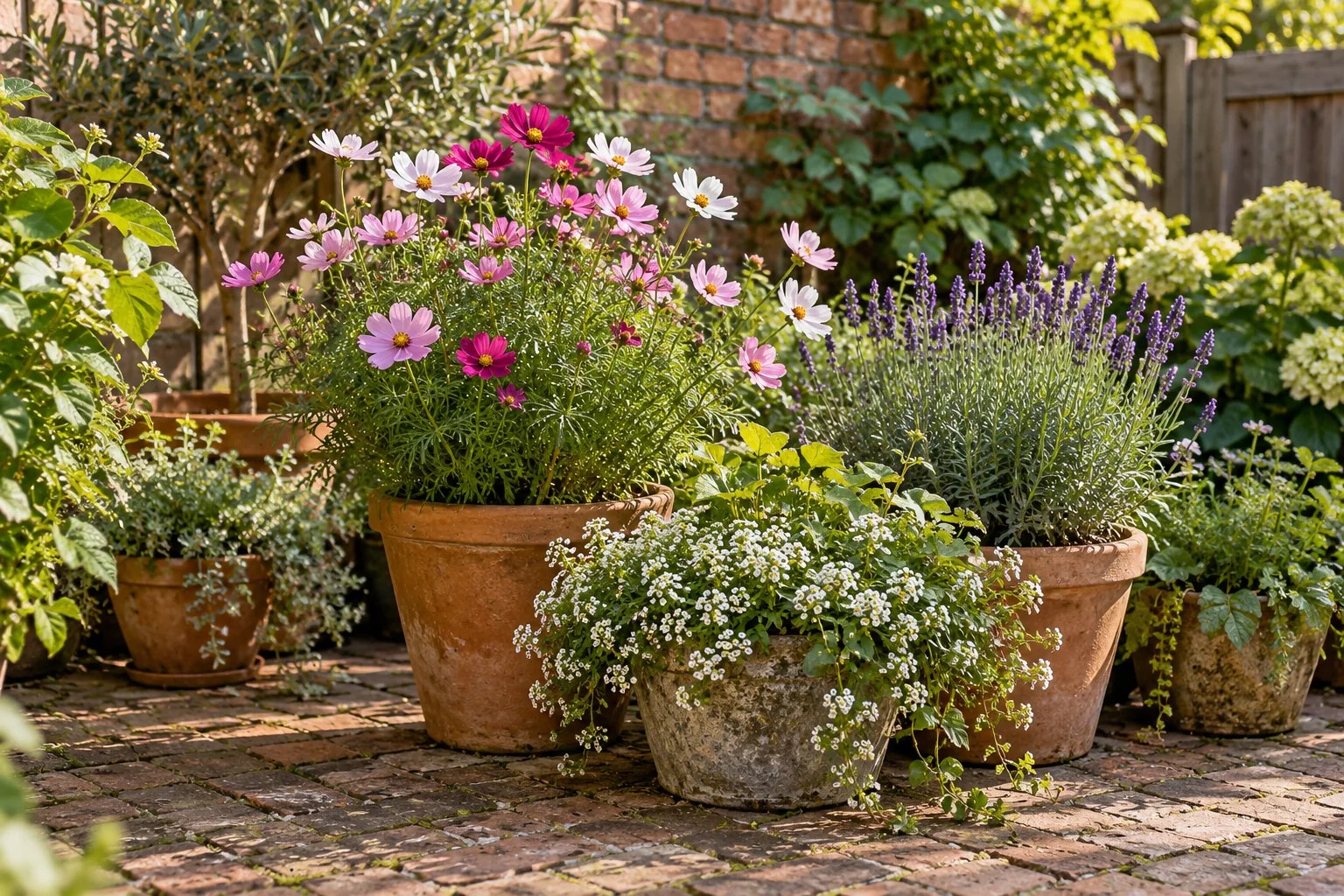
A small paved space can still offer flowers to visiting bees, butterflies and hoverflies. For a UK patio or courtyard, the simplest start is a few pots that suit the light you have and flower at different times. Choose containers you can keep watered rather than filling every spare corner at once.
This guide focuses on flowering plants for visiting insects. A few pots are a useful start, but they are not a complete wildlife habitat.
What would work in just a few pots?
For a sunny spot, think about the seasons rather than buying several plants that all peak in midsummer. An early flower, a summer display and something for autumn will give visitors more chances to find food.
Wallflower — spring Erysimum ‘Bowles’s Mauve’ can flower from late winter and continue for months. It may need replacing after a few years. | |
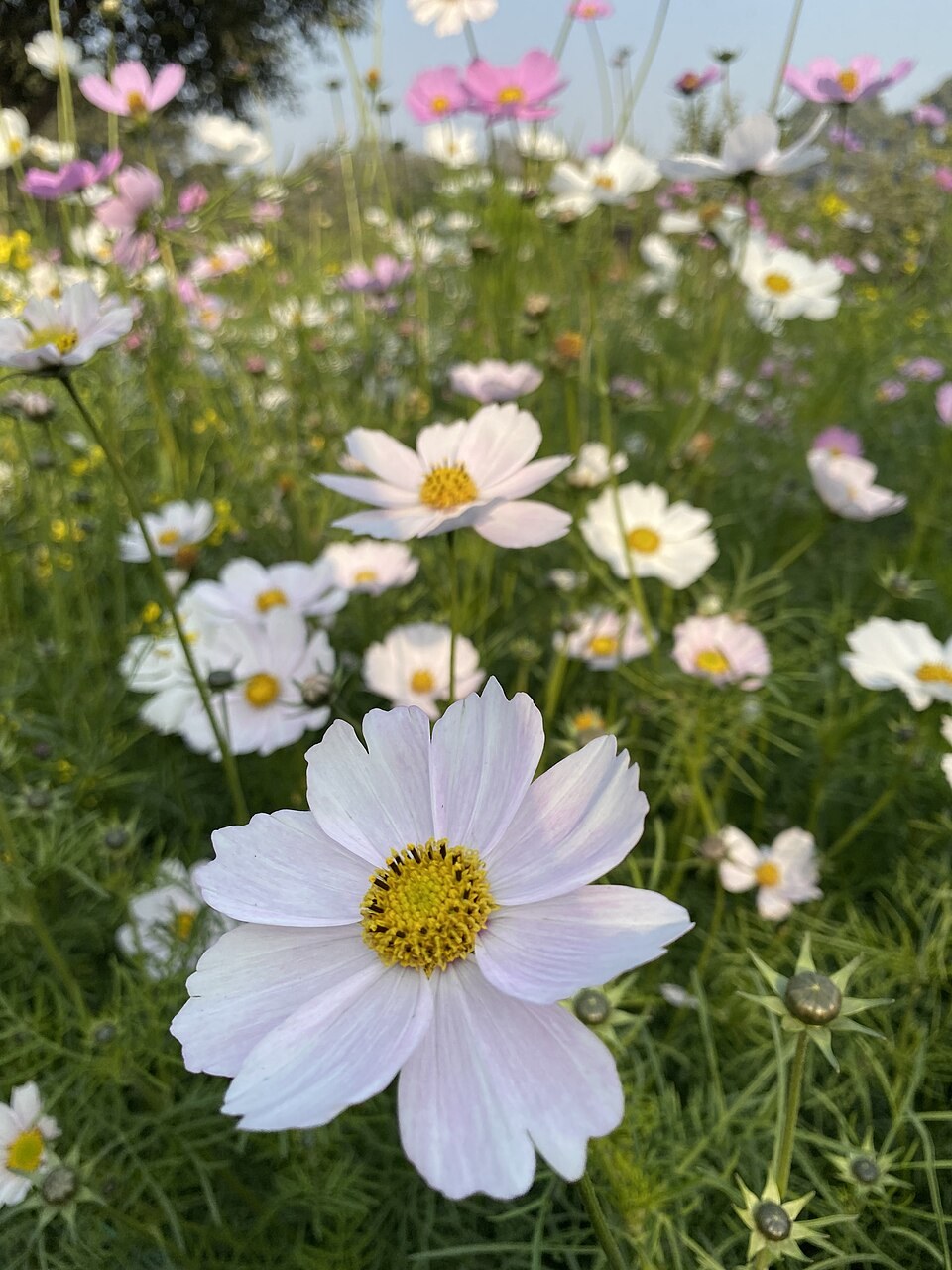 MuntaqibahPhoto: Muntaqibah · Licence | Cosmos — summer A compact variety from the ‘Apollo’ series fits a patio pot better than a tall one. Keep it watered and fed, and remove faded flowers to encourage more blooms. The photo shows cosmos, not a verified ‘Apollo’ plant; flower colour varies. |
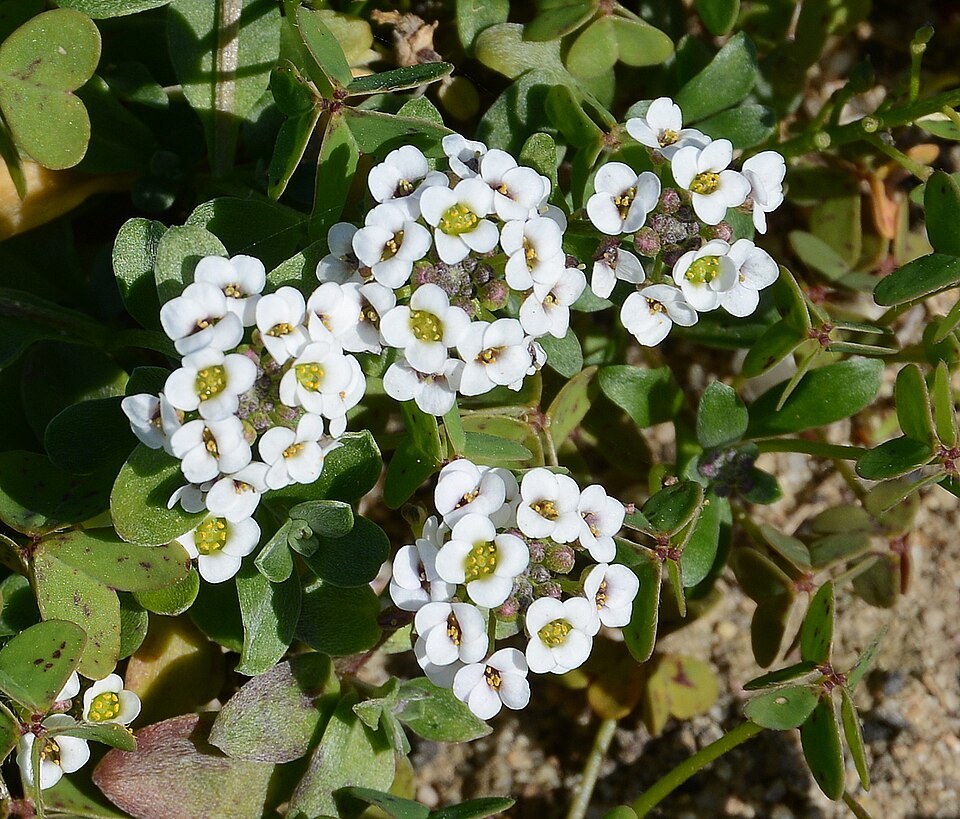 AlvesgasparPhoto: Alvesgaspar · Licence | Sweet alyssum — summer Its small flowers can spill over the edge of a sunny planter. |
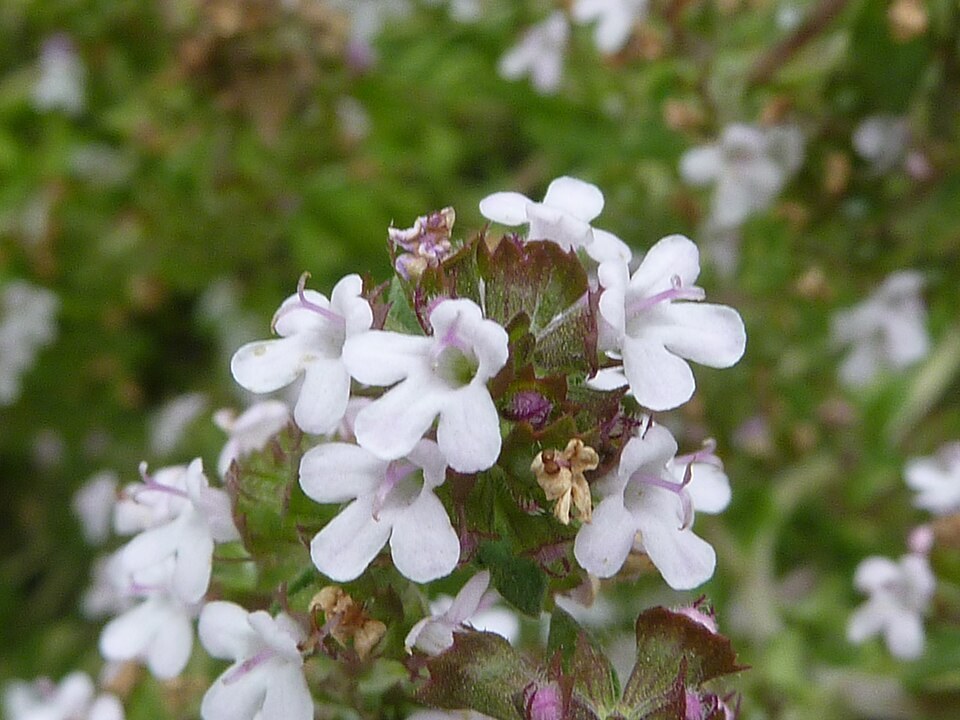 Magnus ManskePhoto: Magnus Manske · Licence | Thyme — summer If you would also like a kitchen herb, let thyme flower in its pot. |
Michaelmas daisy — autumn A single-flowered variety such as ‘Coombe Fishacre’ flowers late in the season. It can grow to nearly a metre, so give it a suitably sized pot rather than squeezing it into a window box. Open-centred flowers are generally easier for pollinators to reach than densely double ones. |
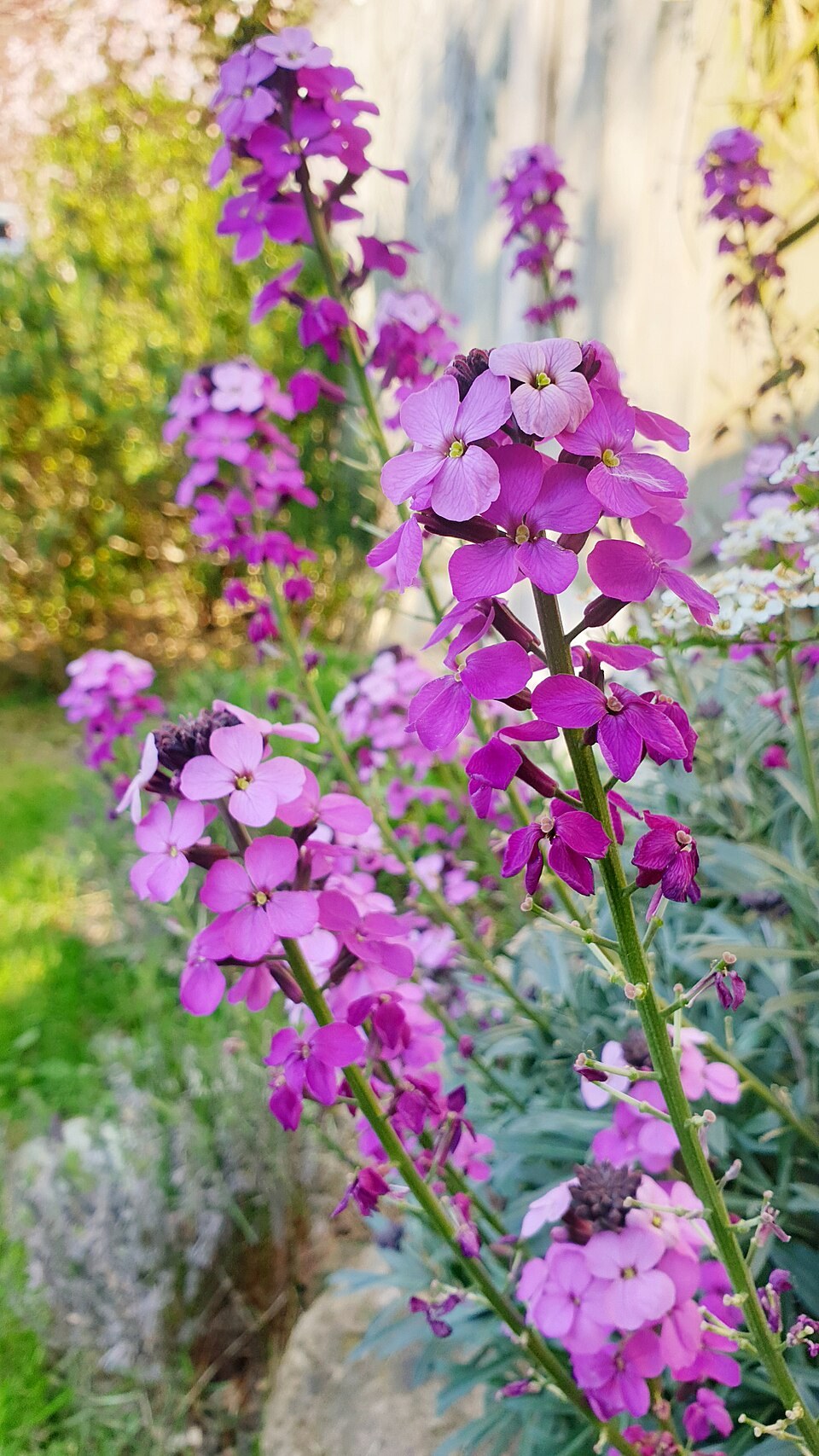
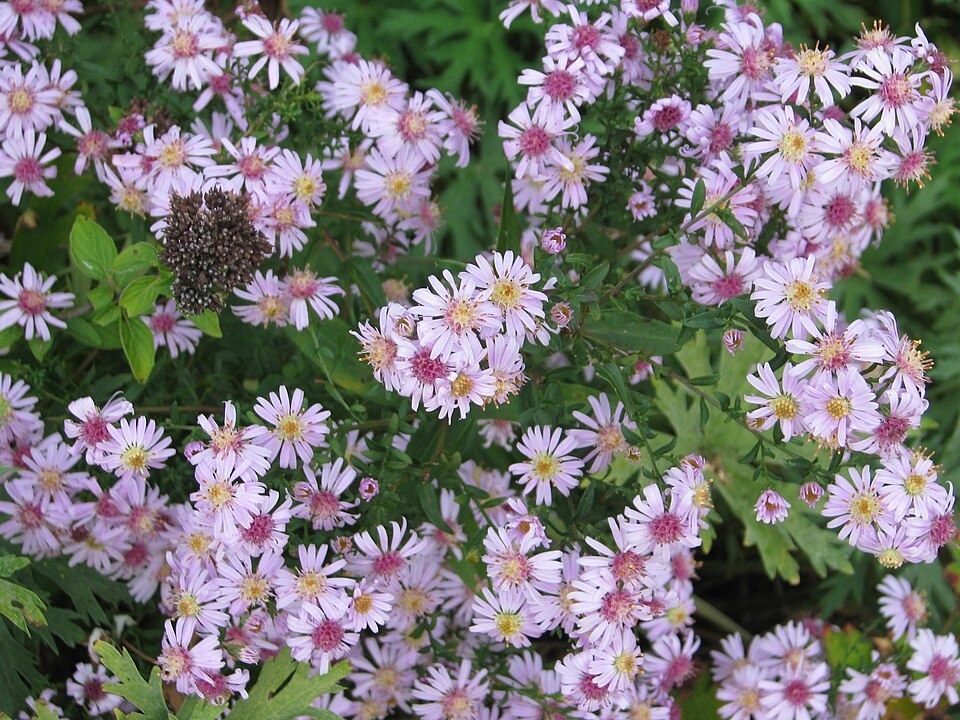


_flower.JPG)
.jpg)
“Herbs, in particular, make good container plants and attract lots of wildlife.”
If your space stays shaded, these sunny examples are the wrong shopping list. Check how much direct light the spot receives and choose plants labelled for those conditions. Do not assume a plant that tolerates some shade will flower well in a dark corner.
What if you only have a window box?
A small box can still hold a seasonal display. The Wildlife Trusts’ meadow-pot idea includes cornflower and wild pansy:
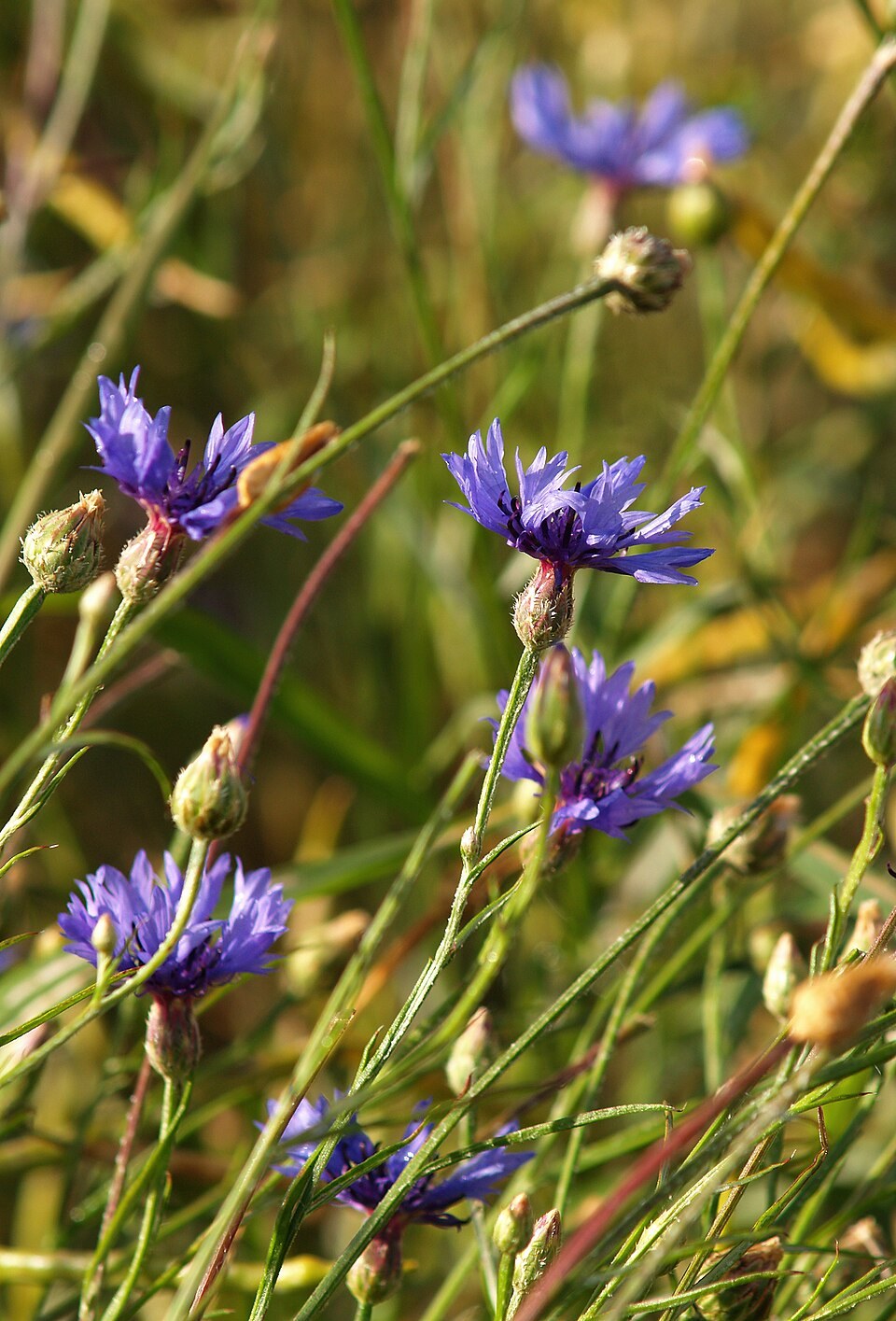 Jörg HempelPhoto: Jörg Hempel · Licence | Cornflower A blue flower on tall, slender stems. Check the seed packet for a variety short enough for your box. |
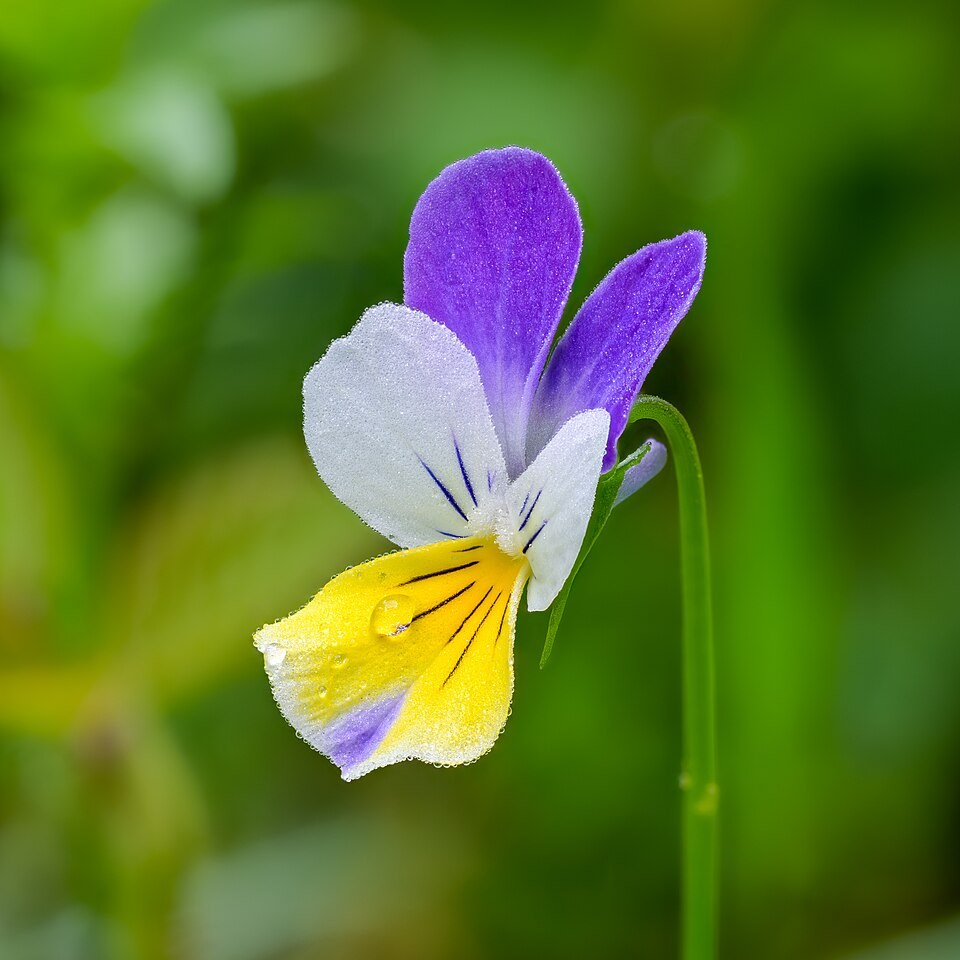 Achim LammertsPhoto: Achim Lammerts · Licence | Wild pansy A small flower with purple, white and yellow petals; the colours can vary. |


Give the box drainage holes and peat-free compost. Check the seed packet for plant height and spacing, and plan to sow again the following year.
How should you set up the pots?
Would one mixed planter be enough? For a sunny summer display, try a compact cosmos with low-growing alyssum near the edge of a roomy container. Keep the larger wallflower and Michaelmas daisy in their own pots so they have space to grow. Check the mature size and spacing on each plant label before you buy.
Each container needs drainage holes and enough room for its roots. Garden Organic’s container advice recommends peat-free compost and notes that watering needs change with the plant, pot material, sun, wind and season. A larger pot usually gives the roots more compost to draw on; a tiny terracotta pot in full sun will need closer attention.
Check the spot before buying
Note when the space gets sun, whether the pots can drain freely and how often you can water in summer. Take those three answers to the garden centre and choose plants that fit them, rather than picking by flower colour alone.
What keeps the display flowering?
Check the compost regularly in warm weather instead of watering to a fixed timetable. Pots on hot paving and in full sun can dry quickly, while a shaded pot may need less. Water when the compost needs it, and feed flowering plants as their care labels advise.
In winter, most pots need much less water. Keep drainage holes clear so excess water can escape. If a plant struggles during the growing season, check its light, moisture and space before replacing it with another of the same kind.
Sources & further reading
- Royal Horticultural Society (RHS), Graham Rice. “Top 10 patio plants for bees”, undated. Checked 30 September 2026 — Read source
- The Wildlife Trusts. “How to create a container garden for wildlife”, undated. Checked 30 September 2026 — Read source
- Garden Organic. “Container growing”, undated. Checked 30 September 2026 — Read source