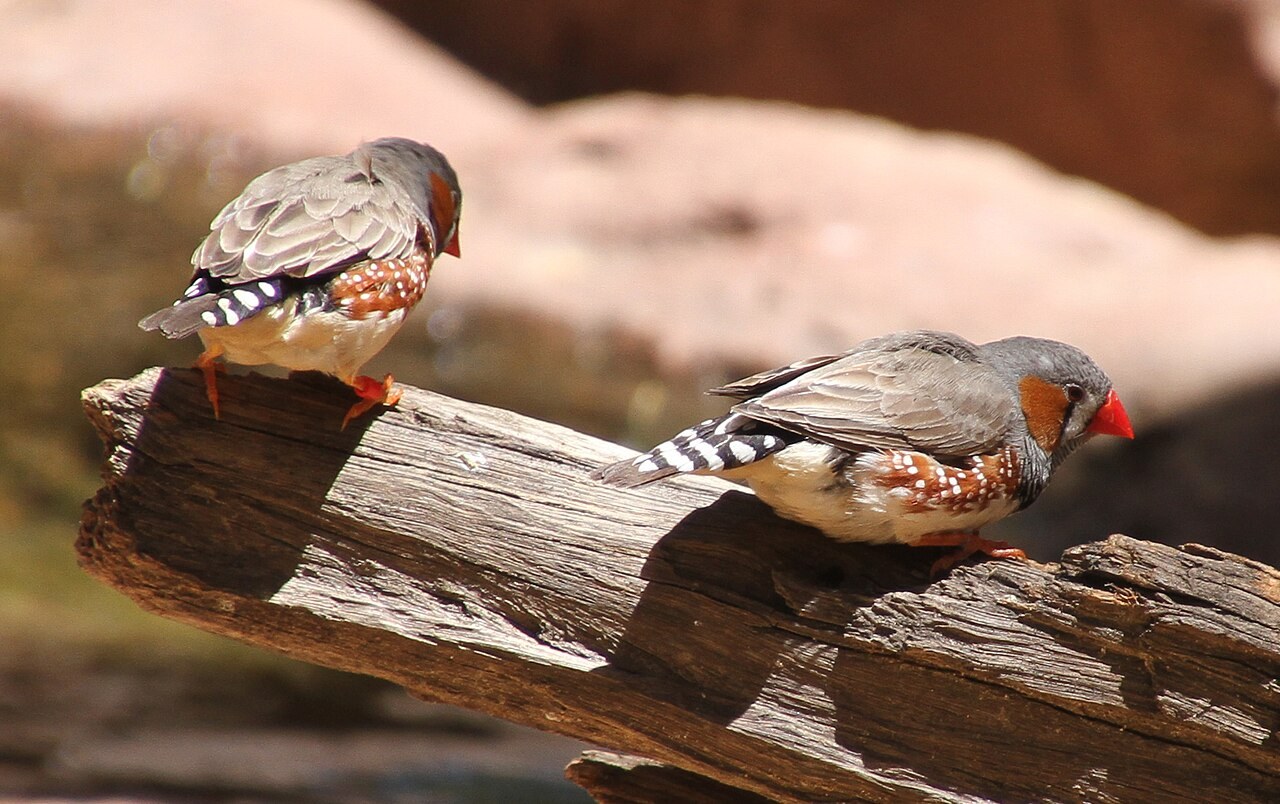
Finches can make appealing pets if you want to watch and listen to small, active birds rather than hold one. They are usually best kept with compatible finch companions, and they still need room to fly, a balanced diet, cleaning and veterinary care. They are a poor fit if you want a cuddly bird or have space for only a tiny decorative cage.
This guide concerns commonly kept companion finches, especially zebra and society finches. Species differ, so check the needs and compatibility of the birds you plan to keep. The PetMD finch care sheet covers several pet species; the RSPCA guidance cited below gives UK welfare examples.
What makes finches appealing pets?
Interesting to observe. A settled pair spends time flying, perching, foraging and communicating. Their activity gives you something to enjoy without expecting them to interact like a parrot.
Smaller voices. Chirps and song may suit a home where loud parrot calls would be difficult, though a group can be chatty and individual tolerance of noise varies.
Less demand for human contact. Their social life centres on other finches. You can build a calm care routine without handling them for entertainment.
Flexible group arrangements. Some compatible birds can live in pairs or larger groups when space and introductions are suitable. This needs planning rather than simply adding birds to a cage.
What are the main commitments?
Companionship and compatibility
Plan for a compatible pair or small group rather than assuming one bird will be content alone. The RSPCA describes zebra finches as social group birds, but it also says birds sharing an enclosure must get along and have room to move away from one another. Introduce new birds carefully and separate birds that fight. A mixed-sex pair may breed, so decide how you will prevent or manage eggs before choosing companions.
All the birds in the cage or aviary should have enough room to fly
Space to fly
Small birds still need substantial flight space. Choose the largest suitable long, uncluttered enclosure you can provide, with secure bar spacing and perches arranged to leave a clear route across it. The RSPCA's housing guidance stresses room for flight and extra space as a group grows. Choose enclosure dimensions for the species and number of birds you will keep, with enough unobstructed length for real flight. Ask an avian vet or experienced species-specific rescue to check your planned setup.
Daily food, water and cleaning
Finches are not self-sufficient. Replace drinking water, monitor what each bird eats and clean food and water dishes every day; remove soiled food and bedding. Seed husks and droppings are normal housekeeping work. A seed-only diet can miss important nutrients, so agree a species-appropriate feeding plan with an avian vet, especially before changing a bird already eating seeds. PetMD's care sheet also recommends a quiet, safe location away from draughts and other pets.
Handling, sound and breeding
Most finches are best observed rather than held. Some hand-raised birds may learn to perch on a finger, but that is not a promise for a new pet. Their daytime calls are part of normal behaviour; do not cover a cage simply to silence an active bird. Providing nest materials to watch chicks hatch is not a casual bonus: breeding adds welfare, nutrition and rehoming responsibilities.
Health and veterinary costs
Arrange access to a vet experienced with birds before you need one. A bird that stays fluffed, stops eating, breathes rapidly or has changed droppings needs veterinary advice; these changes are not just a sign that it is stressed. Budget for routine checks and unexpected treatment as well as the enclosure and food. PetMD gives five to ten years as an indicative lifespan, depending on species and care, so plan for a commitment lasting years.
Is a finch right for you?
A finch may fit if you can house compatible birds with enough flight space, enjoy their movement and sound, and can keep up a daily care routine. If you want a bird to hold regularly, or cannot provide space and care for more than one when the species needs company, choose a different pet. Before bringing finches home, settle the species, group, enclosure, feeding and vet plan together.
Check the space before buying
Measure the clear flight length after perches and bowls are in place. Make sure each bird can fly across the enclosure and move away from the other; if your planned cage cannot provide that, choose a larger setup before bringing birds home.
Related reading: Are Canaries Loud? What to Expect in Your Home.
Sources & further reading
RSPCA — “Keeping pet birds together” (date not shown), https://www.rspca.org.uk/adviceandwelfare/pets/birds/company (checked 27 September 2026).
RSPCA — “Housing and environments for pet birds” (date not shown), https://www.rspca.org.uk/adviceandwelfare/pets/birds/environment (checked 27 September 2026).
PetMD — Maria Zayas, DVM, “Finch Bird Care Sheet” (13 December 2023), https://www.petmd.com/bird/finch-care-sheet (checked 27 September 2026).