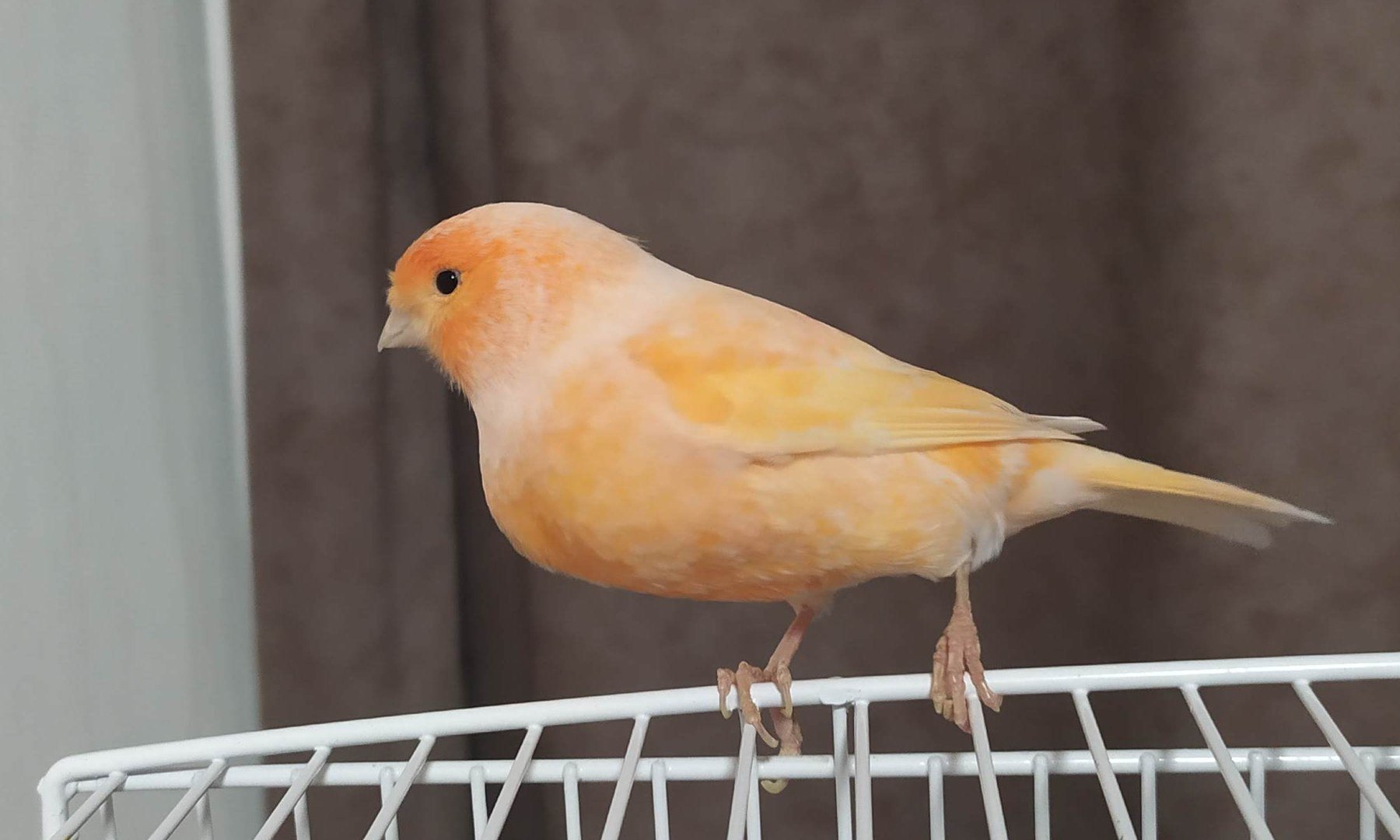
Yes, a canary can be clearly heard indoors. A male often gives a sustained, varied song, while a female usually makes shorter chirps and whistles. How noticeable that is in your home depends on the individual bird, the room and your tolerance for repeated sound. There is no useful single decibel figure that predicts what every pet canary will sound like. The Royal Veterinary College's canary care guide explains the usual difference between male and female vocalisations.
What sounds should you expect?
Think of two kinds of sound: brief contact calls and longer song. Both sexes can make calls. The classic rolling or warbling song is more typical of males. Sex alone does not promise a particular volume or a bird that will sing on cue. The RVC notes that appearance does not reliably confirm sex; a blood or feather DNA test can do so.
Song can also change across the year. In a study of male domestic canaries, songs during the breeding season were longer on average than in the autumn non-breeding season. That describes a seasonal pattern in the birds studied; it is not a reason to ignore a sudden change in a pet that also looks unwell.
“However male canaries tend to have a good singing voice whereas females mainly chirp or whistle.”
Will a canary suit a quiet home or flat?
If you need near silence while you work, sleep during the day or share a thin-walled room, do not choose a canary on a promise that the species is “quiet”. Listen to the particular bird in a normal setting before taking it home, and consider where a full-sized enclosure can stand without sound becoming a daily problem. This is a practical choice about your home and that bird, not a reliable breed-wide volume rating.
Before choosing a bird: Spend time listening from the distance at which you would normally sit or work. If its song is too intrusive there, choose a different pet rather than planning to silence the bird later.
Can you reduce noise without compromising care?
Place the enclosure in a room where ordinary bird sound is welcome. Avoid locating it immediately beside the place you need quiet concentration. Do not shrink the cage or keep the bird covered to suppress song. The RVC housing guidance calls for a cage as large as possible, ideally allowing flight, away from draughts, direct sun and harmful fumes. Room choice should fit those welfare needs first.
When is a change in song a warning sign?
Learn your own bird's usual calls, activity and eating pattern. A quieter day alone does not diagnose illness, but a noticeable loss of song alongside fluffed feathers, extra sleeping, reduced appetite, changed droppings or difficult breathing needs veterinary advice. The Merck Veterinary Manual's bird illness guide lists reduced singing among signs to watch and advises a vet visit when illness signs appear. If breathing looks difficult or the bird is weak, seek prompt help from a vet experienced with birds.
The practical answer
Expect an audible companion, particularly if you choose a singing male. Judge the sound of the individual bird before committing, give it housing that meets its needs, and pay attention if its normal vocal pattern changes with other signs of illness.
Related reading: Finches as Pets: Pros, Cons and Care Commitments.
Sources & further reading
Royal Veterinary College Exotics Service, “Canary care” (reviewed November 2023), checked 27 September 2026: https://www.rvc.ac.uk/Media/Default/Beaumont%20Sainsbury%20Animal%20Hospital/EXOTICS/Animal%20Care%20Factsheets/Canary%20care%20-%20Nov%202023%20vb.pdf
Cornelia Voigt and Stefan Leitner, “Seasonality in song behaviour revisited”, Hormones and Behavior (2008), checked 27 September 2026: https://pubmed.ncbi.nlm.nih.gov/18571653/
Laurie Hess, DVM, DABVP, “Illness in Pet Birds”, Merck Veterinary Manual (reviewed April 2025), checked 27 September 2026: https://www.merckvetmanual.com/bird-owners/routine-care-and-safety-of-birds/illness-in-pet-birds