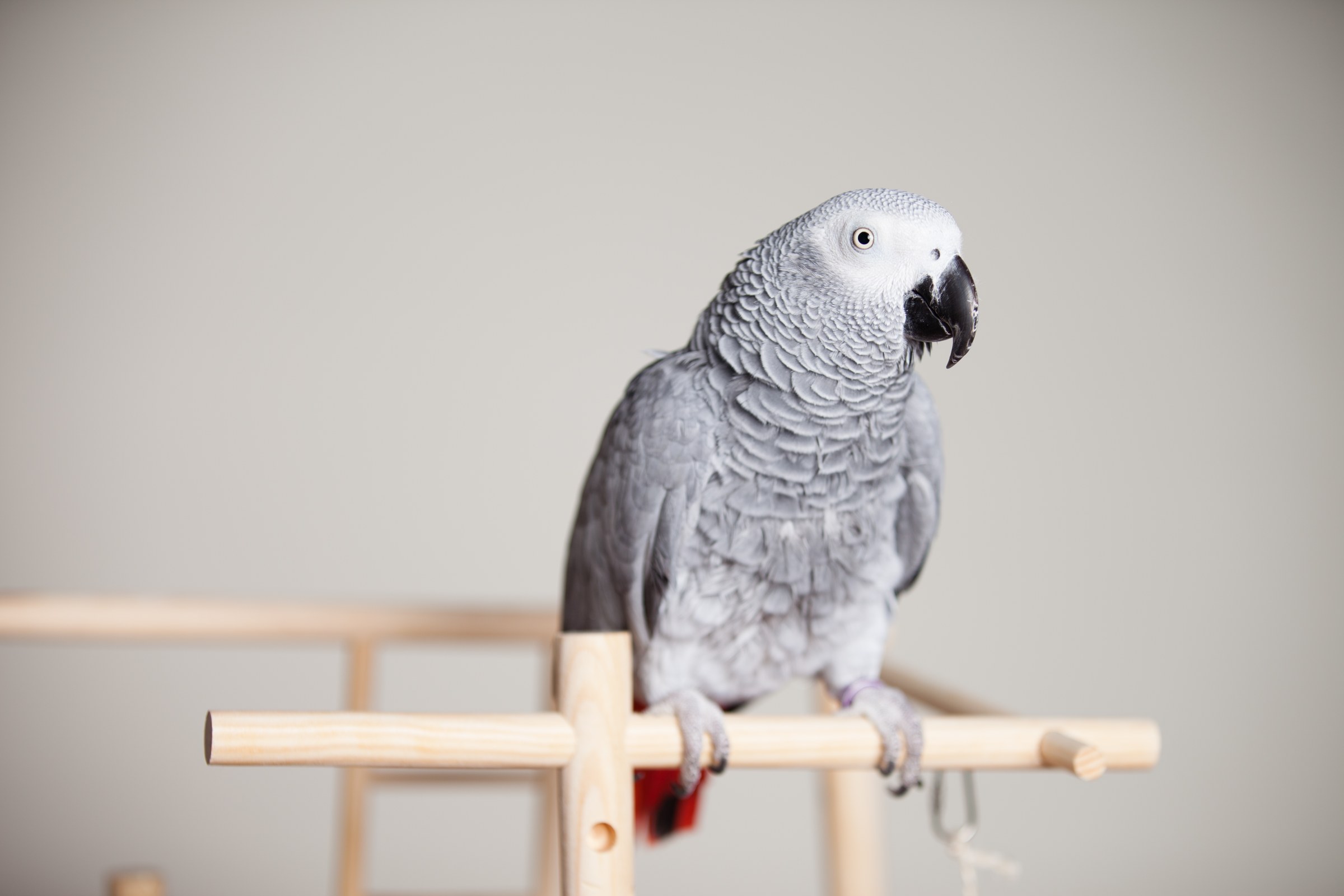
A pet parrot might stay alive outdoors for a while, but you cannot rely on it living independently in the wild. The World Parrot Trust advises against releasing companion birds: many rely on people for food, shelter and safety, and face unfamiliar risks outside. If your bird is outside now, act while you can still see it.
If your parrot is outside now
Keep it in sight and call in a familiar voice. Ask someone to bring its cage and favourite food while you contact a local parrot rescue or vet if needed. Avoid rushing towards the bird and startling it into another flight. Parrot Trust Scotland offers further lost-bird guidance.
Why is survival uncertain?
Wild parrots learn to find suitable food, avoid danger and interact with others of their species. A long-term companion bird may not have had the same experience. Predators, severe weather and a lack of familiar food can all threaten it. That does not mean every escaped bird dies within days; there is no reliable survival deadline for an individual parrot.
A young pet bird is not automatically better prepared. The World Parrot Trust says successful release programmes select and prepare suitable birds carefully. Opening a cage door is not the same process.
Returning parrots to the wild can be done successfully and increasingly so, but only when carried out under well-managed programs
What about Britain’s wild parakeets?
The British Trust for Ornithology explains that Britain’s ring-necked parakeet population arose from birds escaping captivity over many years. An established breeding population shows that some parrots can adapt. It does not tell you whether your individual pet can find food, avoid hazards or join those birds.
If you have lost sight of your bird
Search nearby promptly, looking both high in trees and low in sheltered places; a frightened parrot may stay quiet. Tell neighbours, local vets and animal rescues, and share a clear photo through a lost-pet service. Keep ring or microchip numbers private except when a vet needs them to confirm ownership. These steps follow Parrot Trust Scotland’s advice.
If you can no longer care for it
Seek a suitable new home, adoption service or dedicated bird sanctuary rather than releasing the bird. The World Parrot Trust recommends these routes for companion parrots whose carers cannot keep them.
Related reading: My Cockatiel Flew Away: Will It Come Back? What to Do Now.
Sources & further reading
World Parrot Trust, Position Statement: Releasing Companion Birds (checked 25 September 2026): https://parrots.org/about-wpt/position-statements/releasing-companion-birds/
British Trust for Ornithology, Ring-necked Parakeet (checked 25 September 2026): https://www.bto.org/learn/about-birds/birdfacts/ring-necked-parakeet
Parrot Trust Scotland, When your Parrot escapes (checked 25 September 2026): https://parrot-trust-scotland.org.uk/when-your-parrot-escapes/