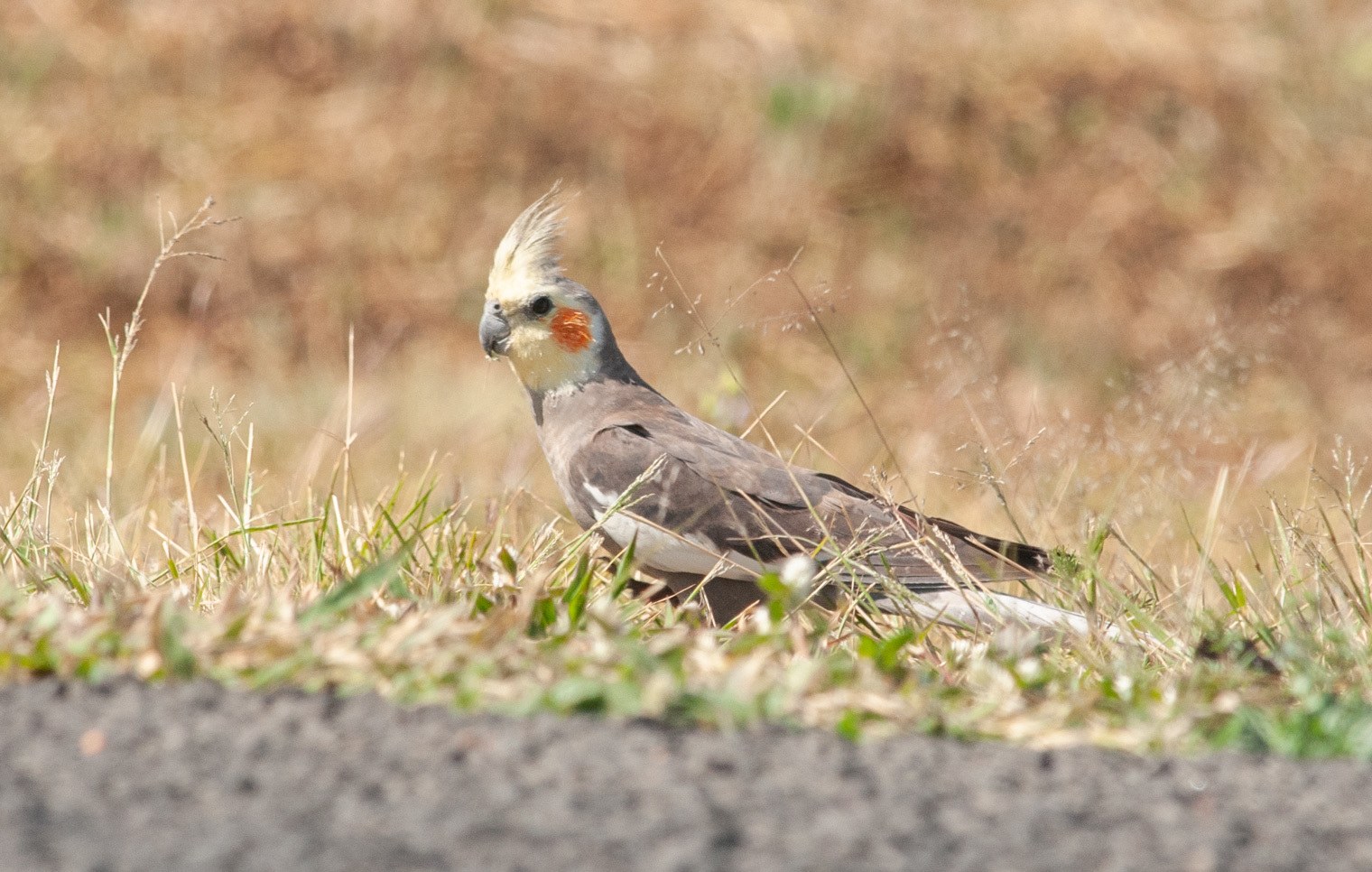
A cockatiel that flies away may return or be found nearby, but no one can predict whether or when. Begin searching immediately, even if it has vanished from view. The steps below show how to use familiar sounds, involve neighbours and report sightings; the reporting services named are UK examples.
What should you do first?
If you saw the bird leave, watch its direction and where it lands. Ask someone else to bring its cage while you keep it in sight. Check nearby trees, roofs and sheltered places, then work outwards. Call its name, whistle and repeat sounds it knows. BirdTricks’ account of an escaped cockatiel recommends noting its flight direction and using familiar calls.
If you did not see it leave, check every room and its usual perches before assuming it escaped outdoors. If it is not inside, search just outside the home and ask neighbours to watch for it.
Record sightings as you search
Note the time, exact spot and direction of each sighting. Share that record with helpers so they can search the next likely area without losing track of the bird.
The first thing you want to do is calm down so that you are thinking clearly.
If you spot your cockatiel perched high up, stay where it can see and hear you. Speak calmly and give it room to approach. Chasing it, climbing towards it or waving an unfamiliar object may frighten it into another flight. Keep someone watching while you arrange help if the perch is unsafe to reach.
Can its cage help it return?
Put the familiar cage where your bird can see it, with its usual food and water inside. Stay nearby and watch it. If you have another pet bird, keep that bird securely indoors or in a supervised carrier; do not risk a second escape. A cage and familiar calls may help, but neither guarantees your cockatiel will come down. The bird may move before it recognises a safe place to land.
Who should you tell if you cannot find it?
Ask neighbours to look in their gardens and to report the exact time and place of any sighting. Share a clear recent photograph, your contact method, the bird’s name and any identifying ring or microchip details. Check local found-pet posts as well as publishing your own notice.
In the UK, the RSPCA’s lost-pet guidance recommends contacting local vets, animal hospitals and rehoming centres, reporting the pet missing to its microchip database, and checking local lost-pet and social-media listings. Outside the UK, use the equivalent local services. Repeat the checks: a person who finds the bird may report it later.
How long should you keep looking?
Do not treat a first day without a sighting as the end of the search. BirdTricks advises keeping in touch with vets, shelters and rescues because a bird may be reported later. Keep checking found-bird notices, and update helpers when you have a reliable sighting. There is no dependable number of days an individual cockatiel will remain safe outdoors: weather, location and access to food and shelter vary. If your bird returns weak, injured or unwell, contact an avian vet.
How can you reduce the chance of another escape?
Before indoor flight time, close and check doors and windows. Secure aviary doors and use a safety porch where practical. Ask an avian vet about a suitable identification ring or microchip. The RSPCA’s pet-bird housing advice recommends secure exits and identification so an escaped bird can be returned.
Related reading: Can a Domestic Parrot Survive in the Wild?; Do Parrots Like Car Rides? Safe Travel Tips for Pet Birds.
Sources & further reading
BirdTricks — Patty Jourgensen, “What To Do If Your Bird Escapes Outside” (31 May 2009; checked 25 September 2026): https://birdtricksstore.com/blogs/birdtricks-blog/what-to-do-if-your-bird-escapes-outside
RSPCA, “Lost and found pets” (date not stated; checked 25 September 2026): https://www.rspca.org.uk/adviceandwelfare/pets/lost
RSPCA, “Housing and environments for pet birds” (date not stated; checked 25 September 2026): https://www.rspca.org.uk/adviceandwelfare/pets/birds/environment