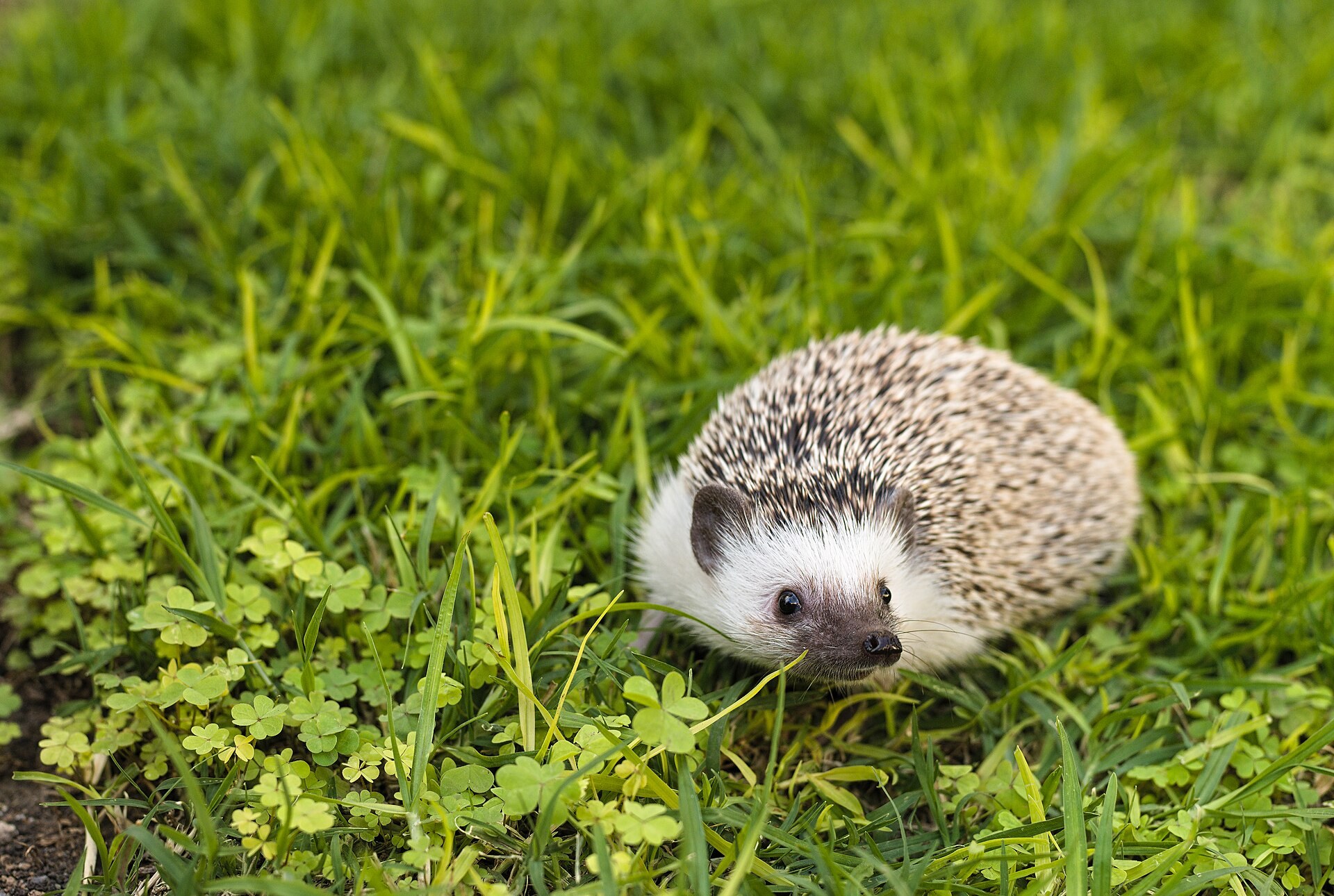
Yes. For a pet African pygmy hedgehog, a little plain, ripe tomato can be included in a varied fruit and vegetable portion. The Merck Veterinary Manual names tomato as one example in a roughly one-teaspoon daily mix of fruit and vegetables. That amount is for the whole mix, not a daily tomato allowance. Its main food should still be a balanced hedgehog or insectivore diet.
Is tomato a useful part of the diet?
Tomato is an optional extra, not a supplement your hedgehog needs. The veterinary guidance lists it alongside other produce; it does not claim that tomato prevents disease or improves teeth, digestion or immunity. A balanced main diet matters more. The Royal Veterinary College’s pet hedgehog care sheet also stresses portion control because obesity is common in captive hedgehogs.
Hedgehogs are often slow to accept new foods, and diet changes must be made with care.
How should you offer it?
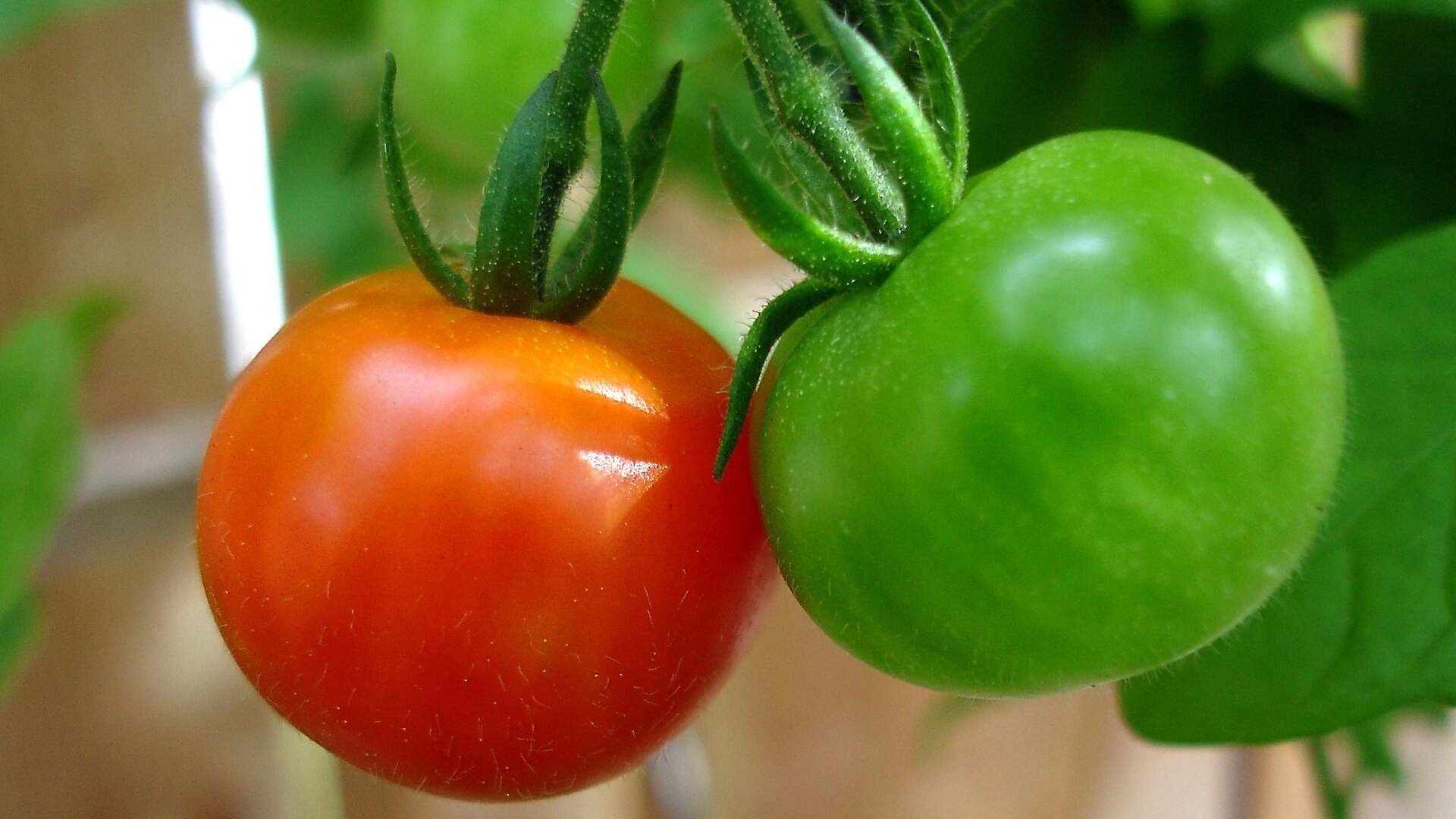
Keep the usual food and fresh water available. If your hedgehog is healthy and its diet is settled, wash a ripe tomato, remove the stalk and leaves, and offer a tiny piece of plain flesh with its other produce. Cut it into small pieces that are easy to pick up. Remove what is left in the morning and clean the bowl. The Merck guidance advises introducing new foods with care; if your pet has a medical condition or prescribed diet, ask its exotic-animal vet before adding tomato.

Keep the portion in perspective
Merck’s roughly one teaspoon is for the entire daily mix of fruit and vegetables. A piece of tomato is part of that mix, never the whole main meal. You do not need to offer tomato on a schedule. If your pet accepts it, rotate it with other produce while keeping the mixed produce portion small.
What should stay off the menu?
Stick to plain ripe fruit. Do not offer tomato sauce, ketchup or seasoned leftovers as a substitute: their ingredients vary, and the veterinary recommendation refers to ordinary produce. Leave the leaves, stalk and unripe fruit out too. The cited hedgehog guidance does not establish a safe amount of these plant parts, so there is no reason to experiment with them.
If your hedgehog has eaten a large amount, a tomato plant part or a prepared sauce, or is showing a change in appetite, droppings or behaviour, contact an exotic-animal vet with details of what and how much it ate.
Does this apply to wild UK hedgehogs?
No. This advice is for pet African pygmy hedgehogs. A visiting wild European hedgehog has a different feeding context. The British Hedgehog Preservation Society recommends natural foraging habitat, with meaty hedgehog food or meaty cat or dog food and fresh water if you offer supplementary food. Tomatoes are not its recommended garden feed.
Related reading: How Long Does a Pet Hedgehog Live? African Pygmy Lifespan; Do Pet Hedgehogs Die Easily? Warning Signs and What to Do.
Sources & further reading
Doss, Grayson A., DVM, DACZM. “Management of Four-Toed (African Pygmy) Hedgehogs”, Merck Veterinary Manual, reviewed and updated September 2026. Checked 27 September 2026 — https://www.merckvetmanual.com/exotic-and-laboratory-animals/four-toed-african-pygmy-hedgehogs/management-of-four-toed-african-pygmy-hedgehogs
Royal Veterinary College, Beaumont Sainsbury Animal Hospital. “African pygmy hedgehog care and advice”, December 2022. Checked 27 September 2026 — https://www.rvc.ac.uk/Media/Default/Beaumont%20Sainsbury%20Animal%20Hospital/EXOTICS/Animal%20Care%20Factsheets/African-pygmy-hedgehog-care-and-advice-Dec-2022-NS-1.pdf
British Hedgehog Preservation Society. “Feeding” (wild UK hedgehogs), undated. Checked 27 September 2026 — https://www.britishhedgehogs.org.uk/feeding/