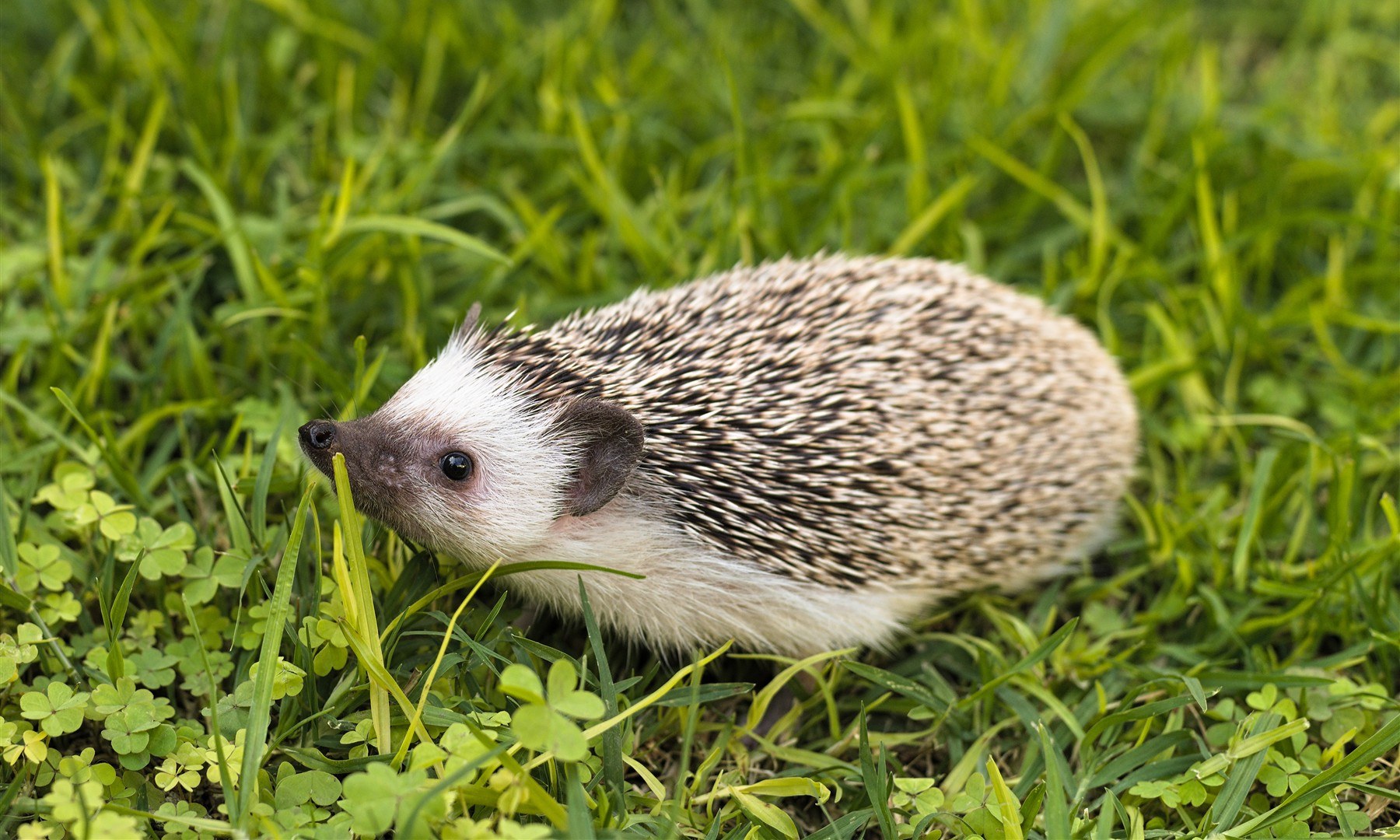
A pet African pygmy hedgehog usually lives for several years. The Royal Veterinary College (RVC) gives an average of 3–5 years; the Merck Veterinary Manual gives 4–6 years. These are guide figures, not a prediction for an individual animal. The RVC says 10 years has been recorded in captivity, but that is exceptional.
Which hedgehog does this lifespan apply to?
This article concerns the four-toed, or African pygmy, hedgehog (Atelerix albiventris) kept as a pet. It does not describe the European hedgehog that visits UK gardens. Care advice for a wild garden visitor cannot be transferred to a tropical pet species.
What care matters through those years?
Good husbandry supports welfare, but it cannot guarantee a longer life. The RVC recommends:
Warm, roomy housing: a large, well-ventilated enclosure with a solid floor, suitable bedding and places to hide. Its care sheet specifies 24–30°C. Monitor the enclosure temperature and discuss heating equipment with an exotics vet.
Night-time activity: a suitable exercise wheel and safe, supervised exercise outside the enclosure. Keep the animal alone rather than assuming it needs a cage mate; this species is solitary.
A planned diet: the RVC describes a high-protein, low-fat cat-food-based diet with vegetables. Ask a vet experienced with this species to help set portions and monitor body condition, as obesity is a concern.
The RSPCA stresses that their natural rhythm must be respected:
“African pygmy hedgehogs are naturally nocturnal and so must be left alone during the daytime.”
When should you seek veterinary advice?
Arrange access to a vet who treats exotic pets before you need one. Contact that vet promptly if your hedgehog stops eating, becomes unusually inactive during its normal waking hours, loses weight, struggles to move or develops a new lump. These signs need assessment; they are not a way to estimate how much time an animal has left. The RSPCA lists tumours, heart disease and neurological illness among health concerns in captive African pygmy hedgehogs.
Before taking one home: check that you can provide stable warmth, a large enclosure, evening care and an experienced vet for the whole of a several-year commitment. In the UK, the RSPCA advises against keeping African pygmy hedgehogs as pets because their needs are difficult to meet.
So how long should you plan for?
Plan for a commitment of around 3–6 years, while accepting that an individual may live less or more. If you already care for one, focus on suitable housing, food, activity and timely veterinary help rather than trying to reach a particular age.
Related reading: Do Pet Hedgehogs Die Easily? Warning Signs and What to Do; Can Pet Hedgehogs Eat Tomatoes? Safe Portions and Preparation.
Sources & further reading
Royal Veterinary College, “African Pygmy Hedgehog Care”, reviewed December 2022. Checked 27 September 2026 — https://www.rvc.ac.uk/Media/Default/Beaumont%20Sainsbury%20Animal%20Hospital/EXOTICS/Animal%20Care%20Factsheets/African-pygmy-hedgehog-care-and-advice-Dec-2022-NS-1.pdf
Merck Veterinary Manual, Grayson A Doss, “Overview of Four-Toed (African Pygmy) Hedgehogs”, reviewed September 2026. Checked 27 September 2026 — https://www.merckvetmanual.com/exotic-and-laboratory-animals/four-toed-african-pygmy-hedgehogs/overview-of-four-toed-african-pygmy-hedgehogs
RSPCA, “Keeping African Pygmy Hedgehogs As Pets”, undated. Checked 27 September 2026 — https://www.rspca.org.uk/adviceandwelfare/pets/other/africanpygmyhedgehogs