You can reduce the chance of feeding rats, but you cannot guarantee that food left for hedgehogs will reach hedgehogs alone. The most useful controls are how much food you offer, how long it stays out and what else is available nearby.
This guide covers wild European hedgehogs in UK gardens. The aim is to support wildlife without creating a dependable food supply for rats.
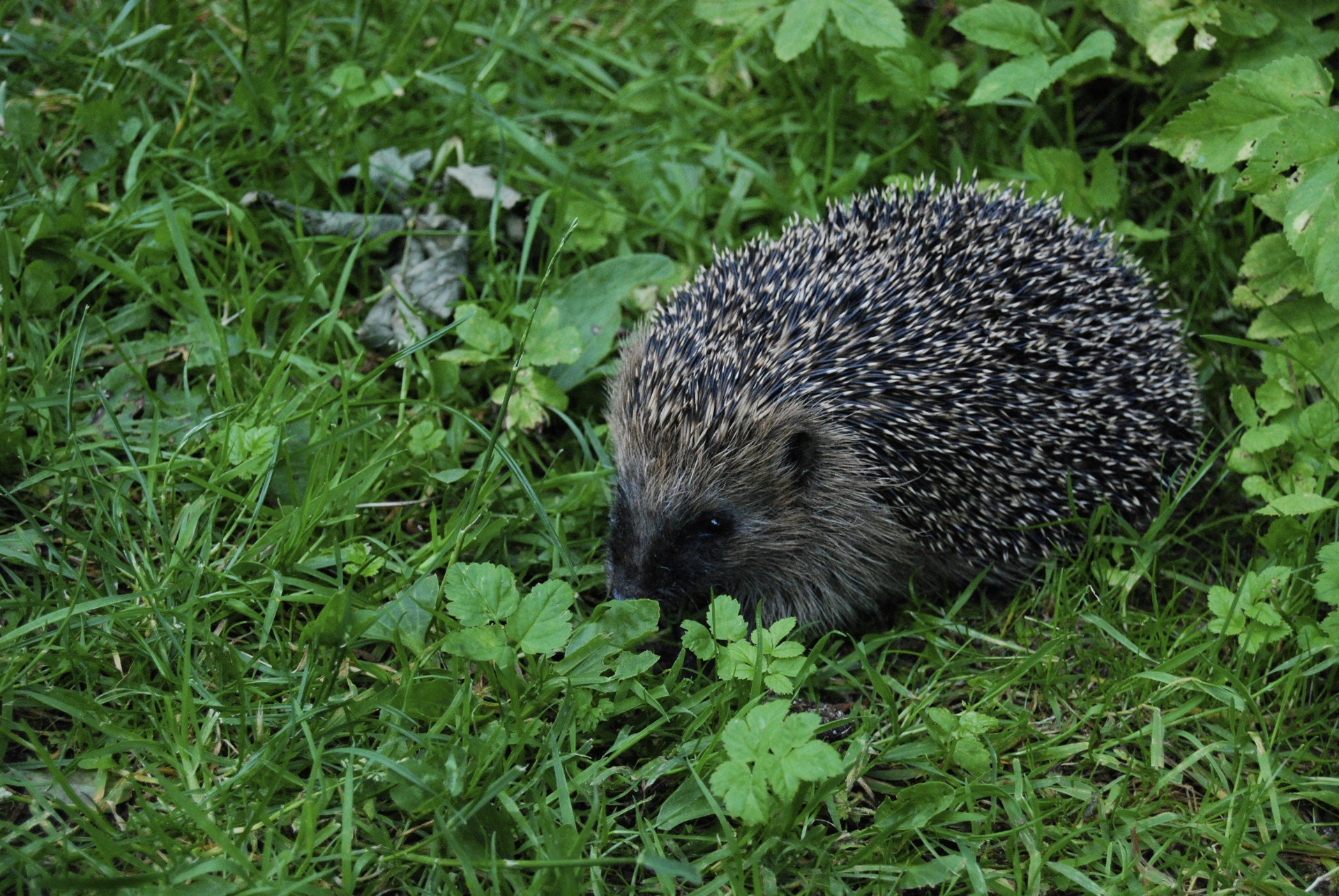
Lead photograph: a European hedgehog among garden plants in Denmark. Photo: Jpbw / Wikimedia Commons, CC BY-SA 3.0.

What should you do tonight?
Check who is using the bowl; do not assume missing food means a hedgehog has eaten it.
Remove leftovers and spills, then check bird feeders, bins and stored pet food.
If rats keep returning to feed, pause supplementary food while you address those attractions.
Does hedgehog food attract rats?
It can. Rats eat a wide range of foods, including meat and cereals, so both wet pet food and dry biscuits can interest them. A bag labelled “hedgehog food” is not selective. Rats may already pass through your garden; a regularly refilled bowl gives them a reason to return.
The RSPCA’s guide to rats and mice also explains that rodents are naturally active at night. Feeding after dark suits hedgehogs, but it does not create a rat-free time slot.
A practical feeding routine
Choose suitable food. Offer meaty cat or dog food, dry cat biscuits or a good-quality meaty hedgehog food. Put fresh water in a separate shallow bowl. Our guide to what wild hedgehogs eat explains suitable foods and what to avoid.
Start small. Use a shallow dish and a modest serving rather than filling a large bowl. There is no single portion that fits every garden. Adjust to confirmed hedgehog visits and what remains, rather than assuming an empty dish means a hungry hedgehog.
Keep a manageable evening routine. Put food out around dusk. Where practical, observe from a distance and remove the bowl after the feeding visit. Otherwise clear leftovers first thing in the morning; this reduces lingering food but still leaves an overnight opportunity for rats.
Clean after use. Remove spills as well as food left in the dish. Wash and disinfect bowls with an animal-safe product, rinse and allow them to dry. Use dedicated equipment away from kitchen food-preparation areas, wear gloves and wash your hands afterwards.
Check who is visiting. Quiet observation or a wildlife camera can help. A camera is optional, and an empty bowl alone cannot identify its visitor. If rats are taking the food, use the steps below rather than increasing the portion.
The food and cleaning advice follows British Hedgehog Preservation Society feeding guidance. The observation-and-clearing routine is a practical way to apply that advice, not a guarantee of excluding rats.
Where should you put the food?
Choose a sheltered spot where you can lift the dish and clean spills easily. Keep food outside sleeping or nesting houses and at least two metres away from them, following Hedgehog Street’s feeding guidance. This separation helps avoid drawing other animals towards a nest; it does not make the feeding spot rat-proof.
“Be aware that putting any food out will attract all sorts of wildlife, including predators.”
Will a feeding station keep rats out?
An ordinary hedgehog feeding station should not be treated as rat-proof. A covered box can shelter the bowl, and a suitable entrance or internal partition may discourage larger visitors such as cats.
Choose a station you can open and clean easily, with a stable structure, safe edges and unobstructed access. Do not keep narrowing an entrance, add improvised moving doors or place a trap inside in an attempt to exclude rats.
Approach | What it can realistically do |
|---|---|
Small servings and prompt clearing | Reduce available food and the time it is left out. |
A covered feeding station | Shelter food and discourage some larger animals; rats may still enter. |
Feeding later at night | Fit hedgehog activity, but rats can be active then too. |
Changing from wet food to biscuits | Change the food offered, without making it unattractive to rats. |
Mint, peppermint oil or an open lawn | Provide no dependable basis for claiming the food is protected from rats. |
What should you do if rats start visiting?
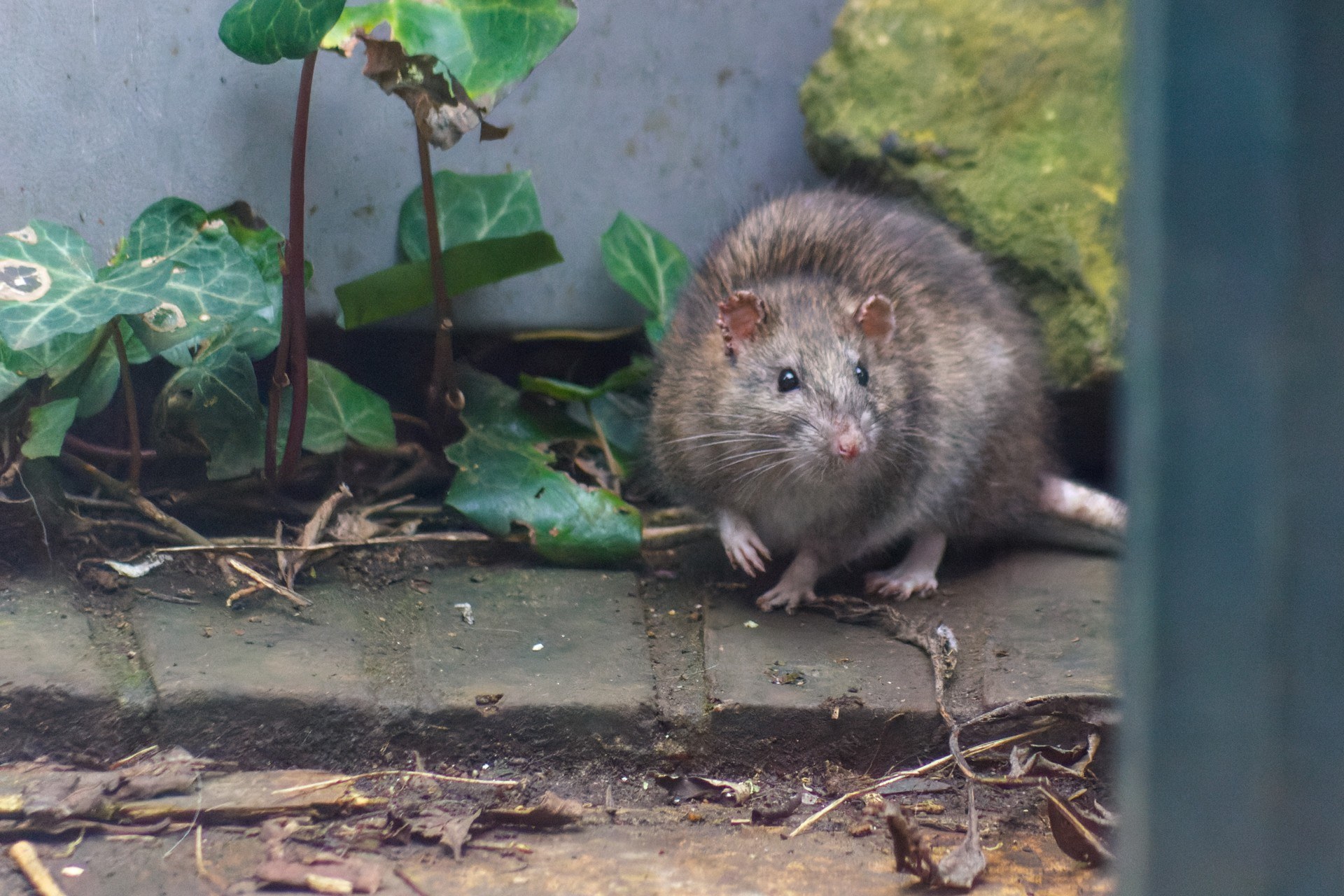
A passing rat and repeated feeding visits are different situations. If you see a rat taking the food, remove the food once the animal has gone. If visits continue, pause supplementary feeding and look for the wider supply keeping rats nearby.
Clear spilled bird seed and food beneath bird tables. Repeatedly topping up several wildlife feeding spots can undermine changes at the hedgehog bowl.
Store pet food and bird food in secure, rodent-resistant containers. Check bin lids and clear food waste.
Check compost management and other accessible scraps. Avoid leaving food outside while trying to resolve the problem.
Look for repeated sightings, droppings, gnawing or burrows. Do not handle droppings bare-handed or disturb an unidentified nest.
The RHS advice on rats puts reducing accessible food at the centre of garden management. Simply moving the same full bowl to another corner may move the feeding spot without solving the attraction.

When can you start feeding again?
There is no reliable fixed number of nights for every garden. Once the food sources have been addressed and rats are no longer appearing, try a small serving during a period you can monitor. Clear it promptly. If rats return, pause again and seek advice about the underlying problem rather than repeatedly changing foods.
If a hedgehog is under a rescue’s care or following a specific release plan, contact that rescue before changing its feeding arrangements. An animal that appears ill or injured needs rescue advice, not simply more food.
Keep rat control safe for hedgehogs
Avoid putting poison, glue traps or unprotected traps around a hedgehog feeding area. These can harm animals you did not intend to target, and poisoned rodents can also endanger predators. The RSPCA’s humane wildlife deterrent advice explains these risks.
For persistent activity, damage or rats entering a building, contact your council’s pest service or a qualified pest professional. Tell them that hedgehogs use the garden and identify feeding places, nests and access routes before any work begins.
Proofing a building is different from sealing a garden boundary. Do not automatically block hedgehog routes or dismantle occupied habitat.
How can you help while feeding is paused?
Food in a bowl supplements a wild hedgehog’s natural diet. You can still make the garden useful by keeping safe access to neighbouring gardens, leaving an undisturbed planted corner and retaining leaf litter and a quiet log pile. These features support invertebrates and provide cover; they are different from leaving edible scraps or spilled seed around the feeding area.
Avoid a blanket clear-out of wildlife habitat to deter rats. If you suspect rats are nesting in a feature, get advice before disturbing it, and tell the adviser that hedgehogs may be present. For an individual hedgehog on a rescue-led feeding plan, follow the rescue’s advice.
Do you need to feed throughout winter?
Follow actual activity and conditions rather than leaving a bowl out untouched for weeks. Our guide to hedgehog hibernation and winter care explains winter feeding and when a sighting needs attention. Whatever the season, regular checks and a clean feeding area matter more than keeping a bowl permanently full.
Related reading: Will Rats Live in a Hedgehog House? What to Do.
Sources & further reading
Sources linked in the article: British Hedgehog Preservation Society — Feeding; RSPCA — Rats and mice in the wild; Hedgehog Street — Supplementary food for hedgehogs; RSPCA — Humane wildlife deterrents. Additional guidance consulted: RHS Advice Team — Rats; Hedgehog Street — Helpful garden features. These pages are undated. Checked 23 September 2026.