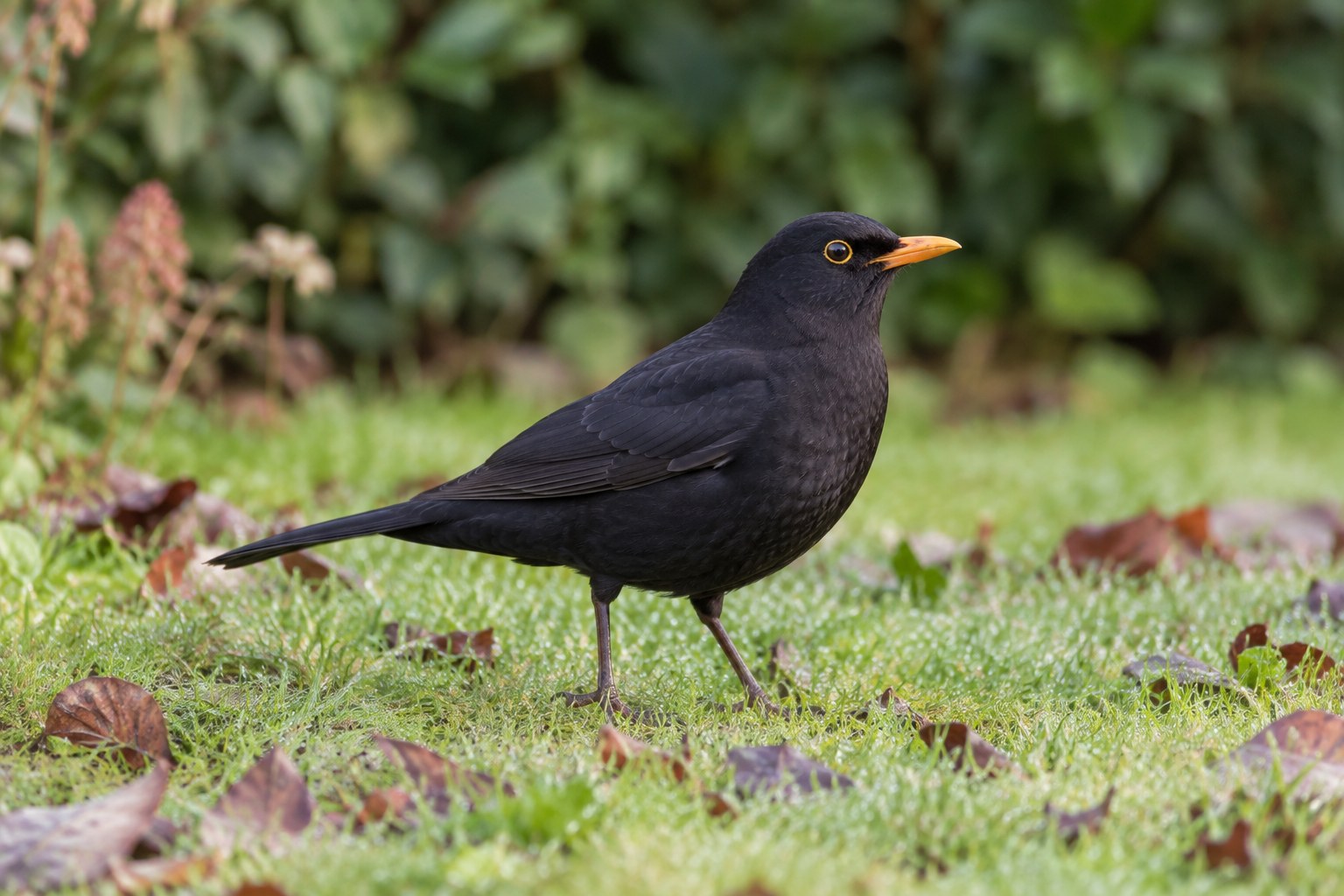
If you want to know how to attract birds to a ground feeder, start by making your garden a place where birds can find food, water and shelter safely. But check the feeder itself first: a flat tray is no longer the approach recommended by the RSPB for UK gardens.
Before you fill a ground feeder
The RSPB’s updated feeding guidance advises against flat feeding surfaces, including trays and bird tables, because of disease risks. It recommends pausing seeds and peanuts from 1 May to 31 October; these can be offered in suitable feeders from November to April. Small amounts of mealworms or suet remain options during the warmer months.
This guide focuses on attracting ground-feeding birds while following that updated advice. Guidance checked on 21 September 2026.
Attract the birds, then choose the feeding method
“Ground feeder” can mean a low tray, or a bird that naturally searches for food close to the ground. Those are different things: you can welcome ground-feeding birds without installing a tray.
The RSPB’s expert answers on bird feeding suggest small amounts of mealworms scattered on the ground for birds such as Blackbirds and Robins. Clear any leftovers by dusk. It advises against scattering other foods, which can linger and attract rodents. Leaf litter also provides foraging opportunities for Robins, Wrens and Blackbirds.
Before buying more food, watch what is already happening. Are birds searching beneath the hedge, visiting a tree, or passing through without landing? Note the species you recognise and the places they use. That gives you a more useful starting point than filling every available feeder.
Choose a quiet place with a clear view
Plan a garden that offers both refuge and visibility. Dense cover is useful, but a spot where a cat can hide immediately beside visiting birds is a poor choice. The RSPB’s birdbath siting guide explains this balance: birds need a clear view, nearby escape cover and protection from ambush.
For feeding equipment, avoid positions directly beneath roosts, and move feeders weekly to limit debris building up underneath, following the RSPB’s hygiene guidance. Choose somewhere you can reach easily for cleaning. An attractive corner is only practical if you can maintain it.
Offer less food and keep it fresh
An empty feeder is not a reason to keep increasing the amount you put out. Equally, food that remains untouched is a signal to reduce it and reconsider the setup. BTO ecologist Dr Kate Plummer explains that repeated gatherings and contaminated surfaces can help disease spread.
“Avoid large, continuous food provision that creates persistent aggregations.”
In practice, match provision to demand and let birds disperse rather than encouraging a permanent crowd. This is a research-based precaution, not a claim that all supplementary feeding is harmful. BTO also recognises its winter benefits.
Clean feeders and baths at least weekly, remove debris and keep food dry. The RSPB’s full feeding instructions explain the cleaning routine. Build that time into your plan before adding another feeder.
Provide water you can maintain
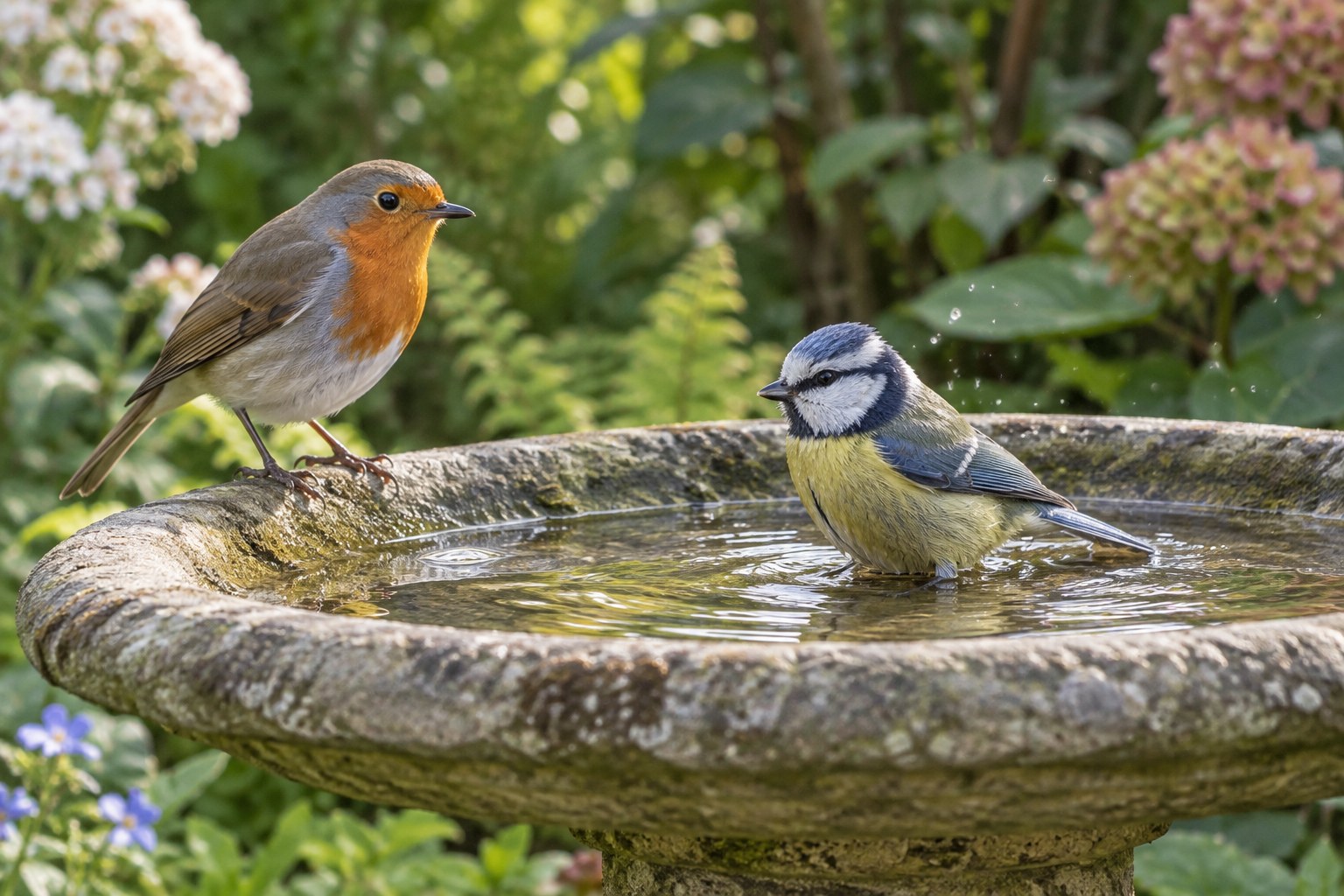
A fountain is optional. A stable, shallow birdbath with a surface birds can grip can provide a drinking and bathing place. Choose a design that is easy to lift, empty and scrub. The RSPB birdbath guide describes shallow approaches and non-slippery surfaces.
Change the water daily. Moving water does not replace cleaning, so the old idea that a fountain automatically keeps water clean is not a sound reason to buy one. If maintaining a bath is difficult, consider whether a wildlife pond would better suit your space; the RSPB’s guide to adding water covers both options.
Grow food and shelter around the garden
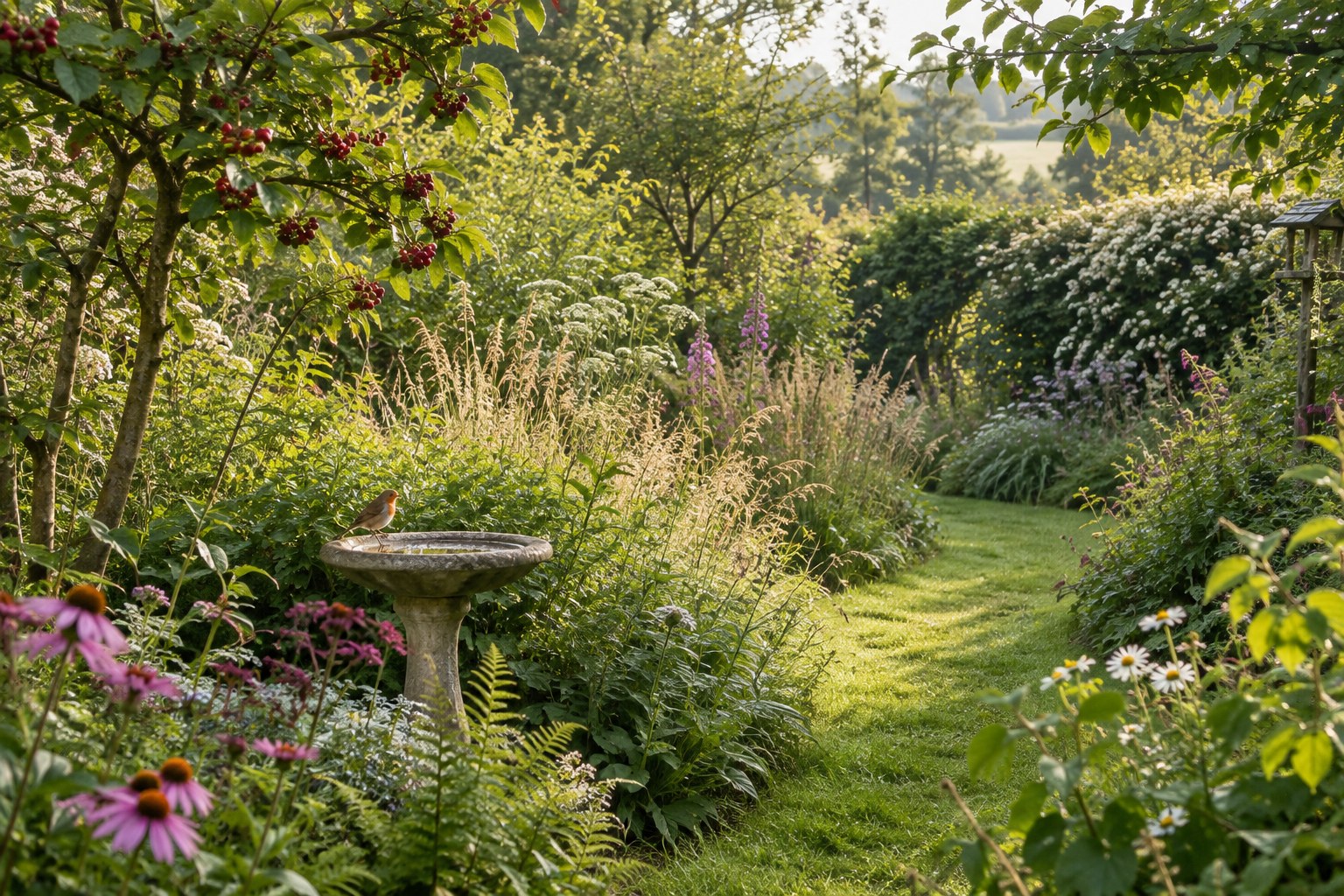
A garden can support birds even when you are not putting out bought food. The RSPB’s planting guide for natural bird food includes ivy, guelder rose and crab apple. Ivy provides cover, berries and places where small invertebrates live; guelder rose berries are eaten by thrushes, including Blackbirds.
Start with your existing space. Keep useful established planting, identify a corner for leaf litter, and choose one suitable addition rather than clearing everything for a new scheme. Consider the plant’s eventual size and your garden conditions before buying it.
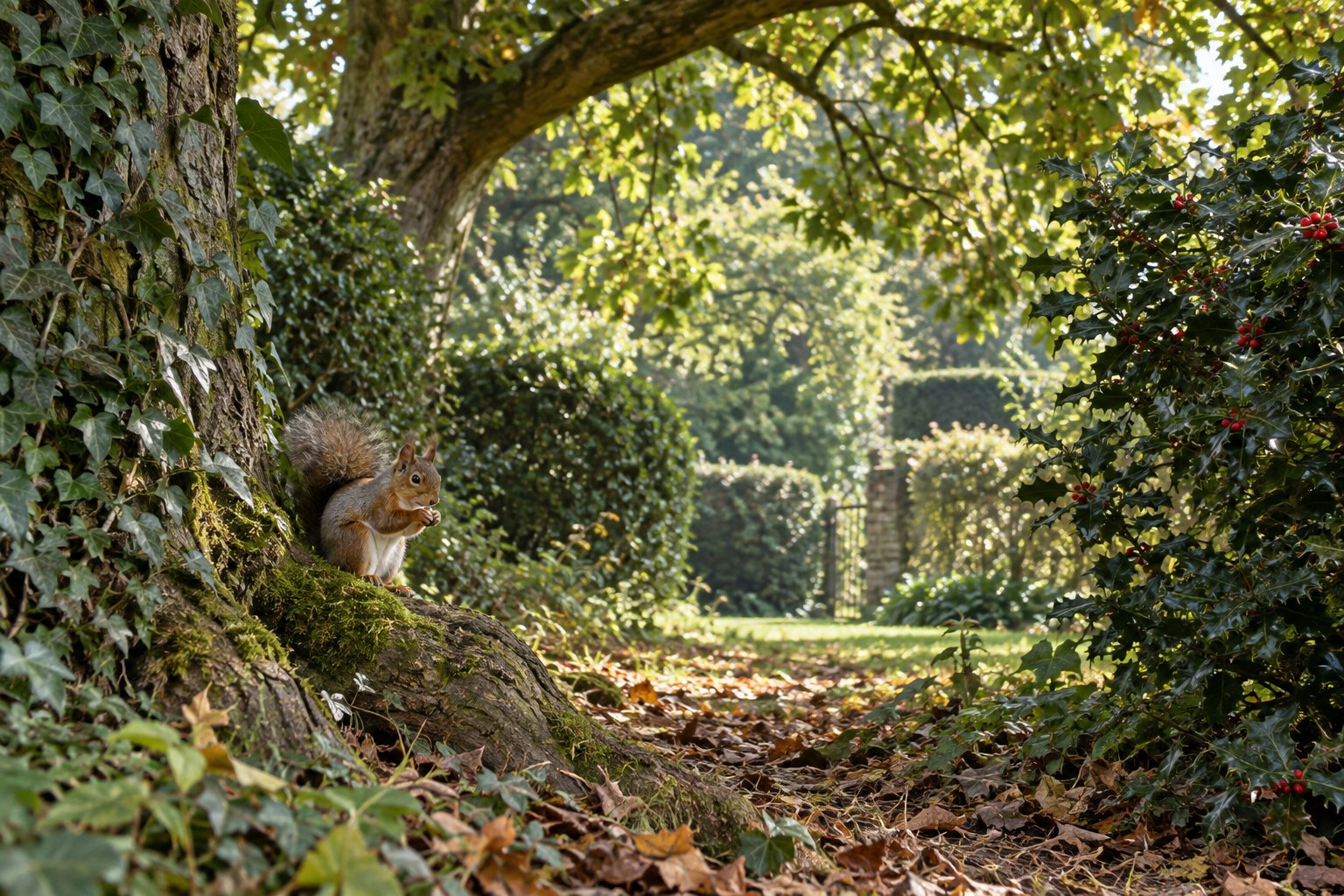
The RSPB’s wildlife garden planting plan encourages retaining valuable mature plants. Natural habitat develops over time, so judge success by the different ways birds use the garden, not only by visits to a feeding spot.
Treat a nest box as a separate habitat project
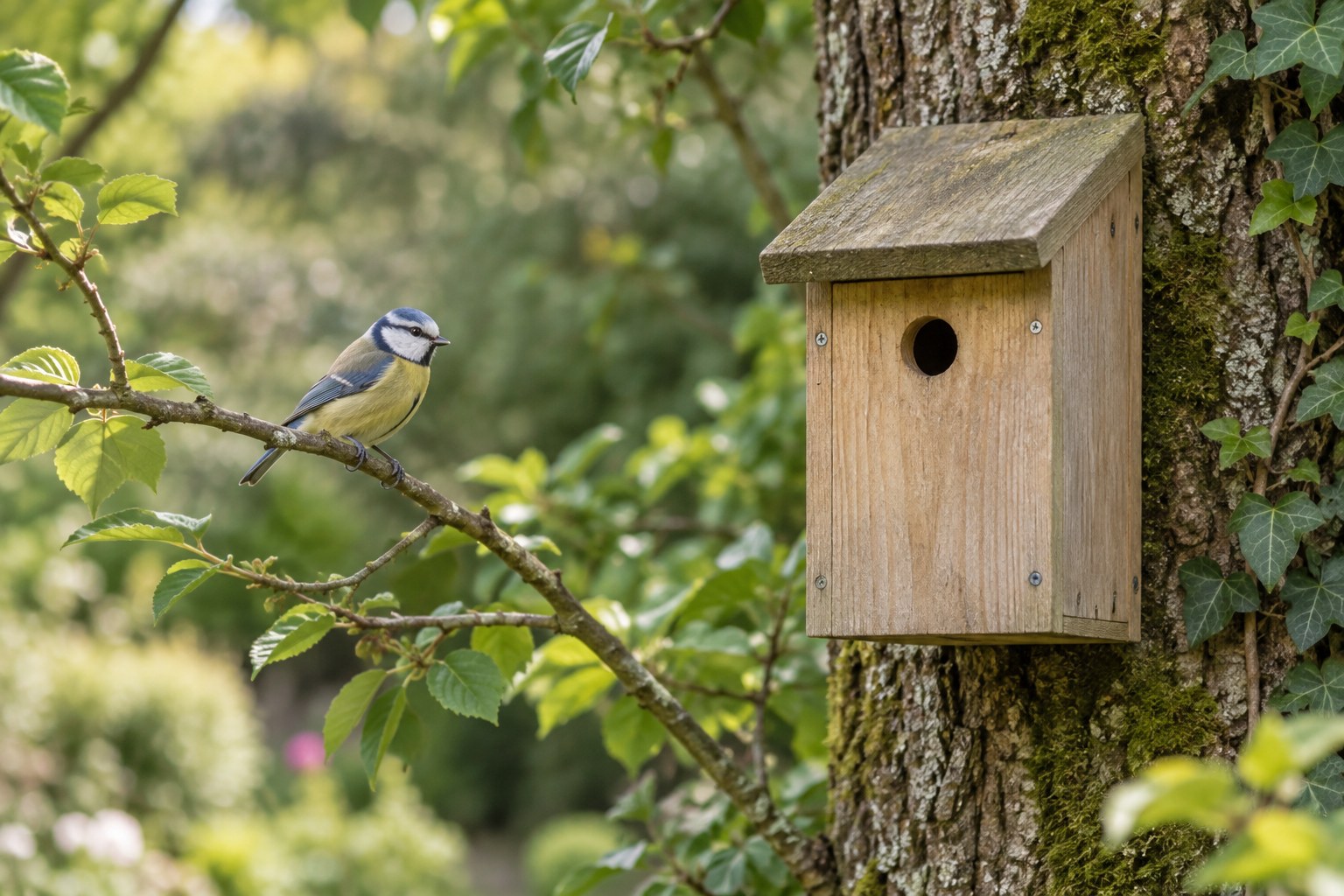
A nest box can add a nesting opportunity, but it is not a shortcut to a busy feeder. Match the box and position to the species. The RSPB nest box guide distinguishes between boxes for tits and sparrows and sheltered open-fronted boxes for Robins. It also explains orientation, height and keeping the entrance approach clear.
Why are birds not visiting?
Use this short observation checklist before changing everything at once. It is a way to investigate your garden, not a promise of results within a set number of days.
No birds anywhere nearby? Record what you see at different times. A feeder cannot guarantee a particular species will appear.
Birds visit the garden but avoid the feeding area? Look for disturbance, cats, exposed approaches or a difficult landing place.
Food remains uneaten? Reduce provision and check the seasonal guidance rather than leaving a larger pile.
Birds already forage in the borders? That is useful garden activity too. Preserve the habitat they are choosing.
Keep a simple note of the date, visitors, weather and leftovers. Change one practical feature at a time so you can tell what changed. Browse our Wild Birds articles as more guides are added to the journal.
Frequently asked questions
Should I buy a ground feeding tray?
Current RSPB advice recommends avoiding flat feeding surfaces. Read the updated advice above before choosing equipment; attracting ground-feeding birds does not require a tray.
What can I put on the ground for Blackbirds and Robins?
The RSPB suggests a small amount of mealworms, eaten or removed before dusk, and discourages scattering other foods. Its expert Q&A explains the reasoning.
How long will birds take to find the food?
There is no fixed arrival time to promise. Observe which birds already use your garden and work through the visiting-birds checklist. Avoid increasing food simply because it has not been eaten.
Do I need a water fountain?
No. A suitable birdbath is an option if you can maintain it. Its accessibility, placement and cleanliness matter more than decorative features.
Can I help birds without feeding them?
Yes. Planting, natural foraging space, water and appropriate shelter offer other ways to support them. Start with the habitat suggestions rather than assuming you need more equipment.
Related reading: What are ground feeders? A guide for UK gardens; How to attract birds to your garden: five practical tips.
Sources and editorial notes
This UK-focused guide was substantially revised on 21 September 2026 using the linked RSPB guidance and BTO research commentary. The quotation is from BTO’s published article; neither organisation has reviewed or endorsed this page. This is a sourced practical guide, not a report of a field trial.
RSPB: Our latest guidance on feeding garden birds — seasonal feeding and hygiene.
RSPB: Ask an Expert — All about bird feeding — ground-feeding questions.
BTO: Rethinking how we feed garden birds — evidence and expert commentary.
RSPB: Top garden plants to grow for birds — natural food and cover.