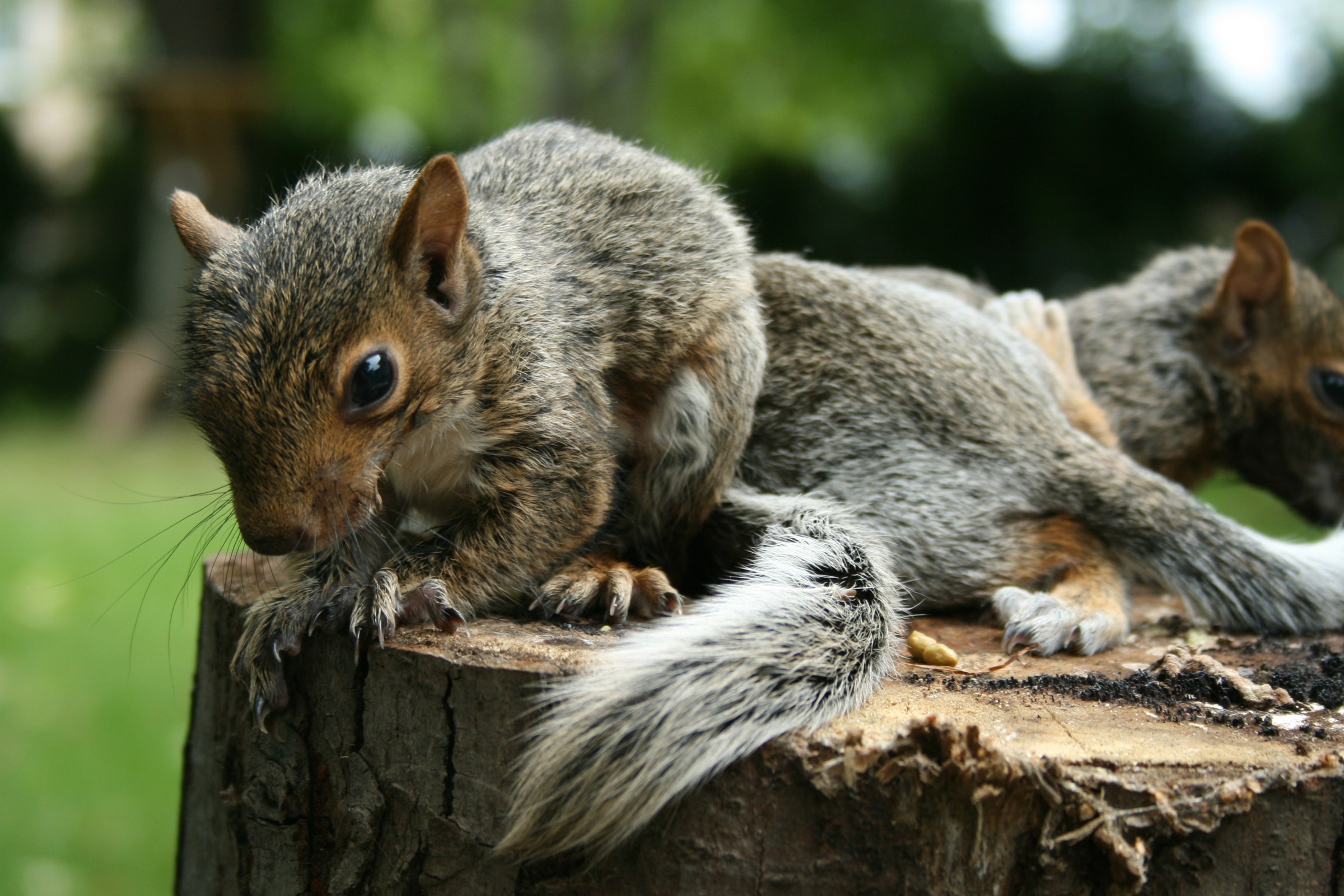
There is no reliable number of hours a found baby squirrel can safely go without food. The RSPCA’s baby squirrel guidance gives no safe starvation countdown. If you find a healthy, dependent baby squirrel in the UK, its best chance may be with its mother: keep it near where it was found, protect it from pets and give her a chance to collect it. Do not try to feed it while you wait. If it is sick or injured, call a local vet promptly.
How can you tell whether it still needs its mother?
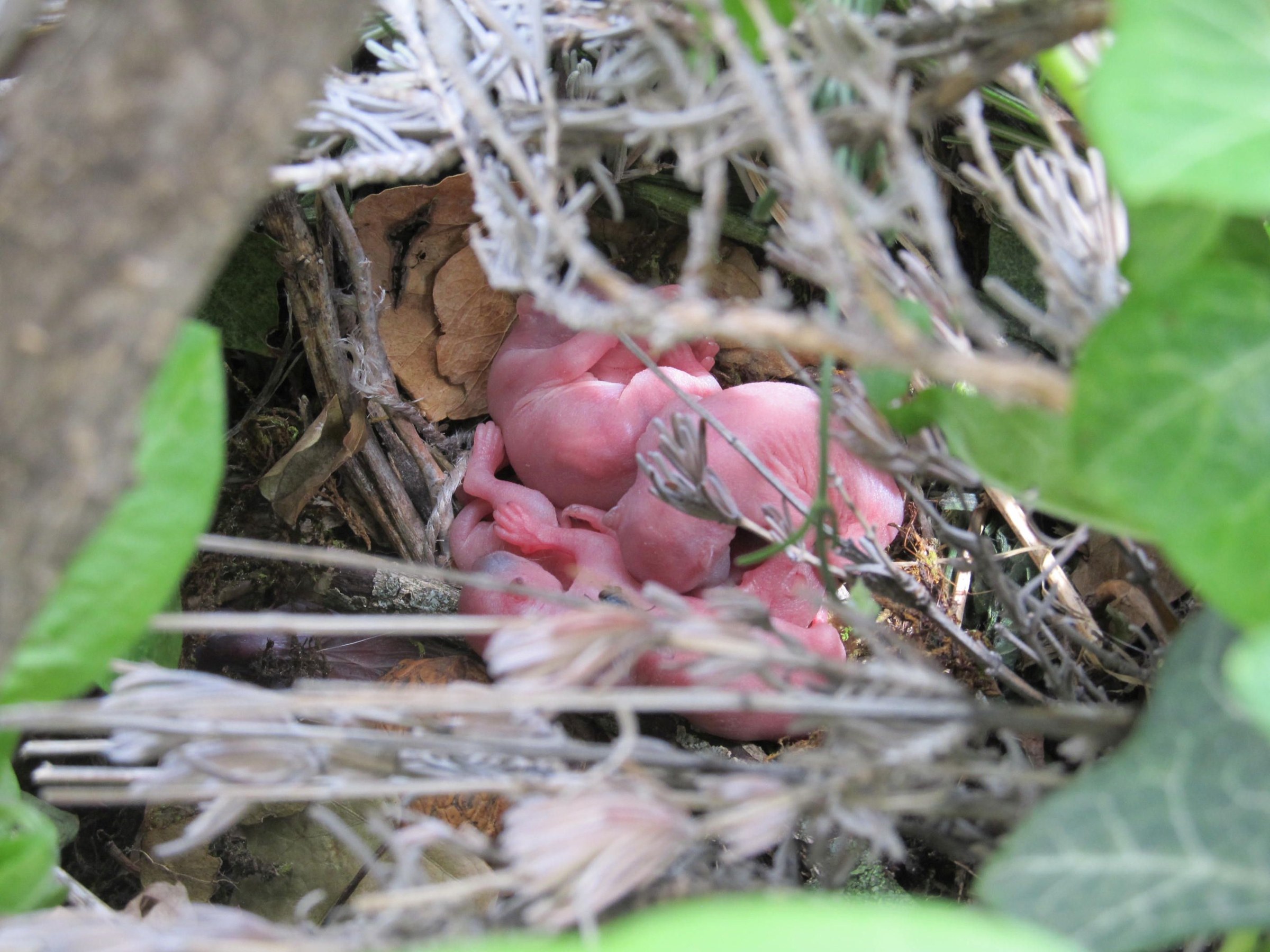
According to the RSPCA, closed eyes, a tail that has not yet grown fluffy, or a body under about 15 cm excluding the tail are signs of a dependent baby. Grey squirrels’ eyes usually open at around four weeks, and they are generally weaned at around ten weeks. A fully furred young squirrel with a fluffy tail may already be independent. If the squirrel looks ill or injured, seek veterinary help regardless of its estimated age.
Don't give a baby squirrel food or water, as this can do more harm than good.
What should you do if a healthy baby has fallen?
The RSPCA recommends trying to reunite it with its mother near the original nest site. Check for siblings, keep children and pets away, and watch from a distance. If the nest or baby has fallen, its step-by-step guide explains how to put a small open basket or box securely in the nearby tree. Keep the baby warm with a wrapped, gently warm heat source placed so it can move away from it. Observe during daylight for a few hours rather than taking the baby away immediately.

When should you get help?
Contact a local vet promptly if the baby is injured or sick, has been in a cat’s or dog’s mouth, or its mother is known to be dead. If she has not returned after a few hours of daylight, ask a vet what to do next. Do not assume a baby has been abandoned merely because its mother is out of sight. Tell the vet where and when it was found, whether the nest is still present and what happened while you watched.
Make the daylight check count
Note when you found the baby and set a reminder before dusk. If the mother has not collected it, call a local vet rather than extending the wait using an unverified feeding timetable. Do not give milk, formula, food or water unless a qualified professional directs you.
Does it matter whether the squirrel is red or grey?
Yes. The RSPCA’s guide says red squirrel infants can be referred for rehabilitation, while a separated grey squirrel’s best chance is reunion with its mother. In England and Wales, government guidance lists grey squirrels as invasive animals and restricts their keeping, transport and release. This is why you should seek local professional advice rather than take a grey squirrel home to rear and release. If you are unsure of the species, tell the vet what you have seen and where you found it.
Related reading: Red vs Grey Squirrels: How to Tell Them Apart in the UK; Do Squirrels Come Back to the Same Nest? A UK Drey Guide.
Sources & further reading
RSPCA. “Baby Squirrels”, undated. Checked 27 September 2026 — https://www.rspca.org.uk/adviceandwelfare/wildlife/squirrels/baby
RSPCA. “Found a baby grey squirrel: step-by-step guide”, undated PDF. Checked 27 September 2026 — https://www.rspca.org.uk/documents/1494939/7712578/Found%2Ba%2Bbaby%2Bgrey%2Bsquirrel%2Bstep%2Bby%2Bstep%2Bguide.pdf/fbad505a-7e54-2b3b-242d-9eac2ca8819f?t=1622558264288
Department for Environment, Food & Rural Affairs. “Invasive non-native (alien) animal species: rules in England and Wales”, published 26 August 2020; updated 13 June 2025. Checked 27 September 2026 — https://www.gov.uk/guidance/invasive-non-native-alien-animal-species-rules-in-england-and-wales