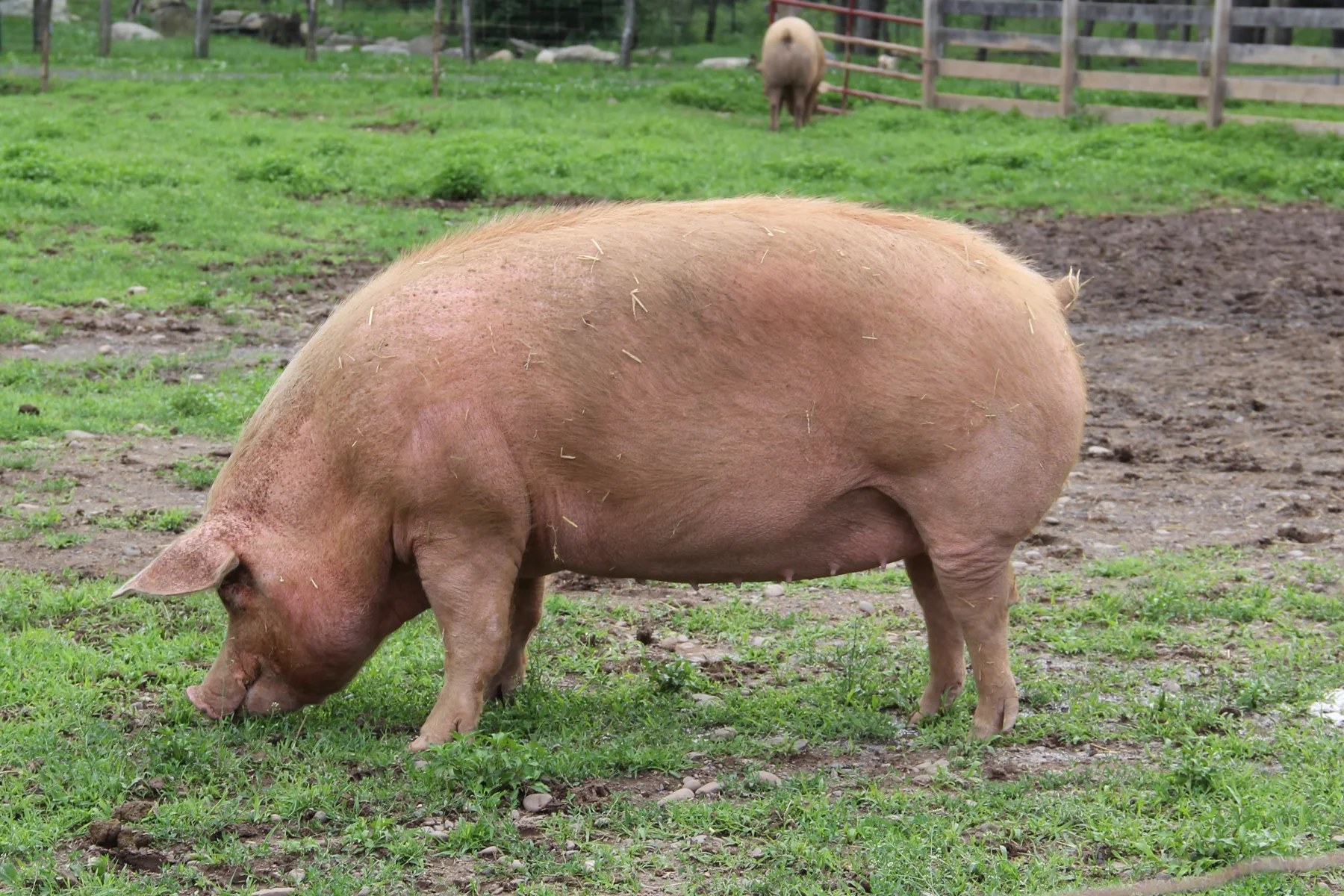
“Spoiled pig syndrome” is an informal label for troublesome pet-pig behaviour, not a single illness or an explanation for why a pig is acting that way. People may use it when a pig persistently demands food, pushes people, threatens or bites. The useful first step is to describe the specific behaviour and its triggers, then consider safety, health, training and opportunities for normal pig activity. It is not evidence that your pig is trying to outrank you.
What does the term actually describe?
The North American Pet Pig Association uses the phrase for a cluster of unwanted behaviours. Its original 1998 article also says its suggested causes are not scientifically established facts. Rooting around a room or seeking food is not, by itself, aggression. Biting, charging and repeated threatening pushes are separate safety concerns that need attention.
Calling a pig “spoiled” can obscure the reason for the behaviour. Record what the pig did, where it happened, what occurred just before and what happened immediately afterwards. For example, does pushing happen only while someone prepares food, or when anyone approaches a resting place? That pattern is more useful to a vet or behaviour professional than a label.
What might be causing the behaviour?
Learned rewards: if pushing is followed by a treat or attention, the pig may repeat it. This is a possible learning pattern, not proof of a “dominance” motive.
Too little to do: pigs need exercise and chances to root and forage. Merck Veterinary Manual’s pet-pig guidance links under-enrichment with destructive rooting and possible aggression, and describes foraging boxes as one outlet.
Pain or illness: a sudden change in behaviour merits a check by a pig-experienced veterinarian. The North American Pet Pig Association advises considering pain or other health problems before judging unwanted behaviour.
“Punishment and other aversive techniques (eg, yelling, stomping, hand clapping, and slapping) should be avoided”
What should I do if my pig is pushing or biting?
Make people safe first. Give the pig space and keep children and visitors apart from a pig that is charging, snapping or biting. Merck’s pet-pig guidance advises preventing further uncontrolled contact with visitors after a threat.
Check health and change the setup. Ask a veterinarian experienced with pigs to assess new or escalating aggression. For routine food-seeking, do not reward pushing with a treat. Instead, ask for a cue the pig already knows and reward the pig after it responds calmly. Offer appropriate rooting or foraging opportunities and a predictable routine. Merck recommends teaching cues and rewarding wanted behaviour, while avoiding shouting, slapping or confrontational “move the pig” contests.
Respond to a calm food request: ask for a cue your pig already knows, such as stepping back, and give the treat after the pig does it. If your pig threatens or bites, move away and speak to a pig-experienced vet instead of practising the cue.
If a bite breaks the skin (UK): Wash the wound with soap and warm water, then cover it with a clean dressing. The NHS bite guidance advises contacting NHS 111 for bites to the hands, feet, face or head, or for signs of infection. Go to A&E for a large or deep wound or bleeding that will not stop. Keep people apart from the pig while you arrange help.
Is there a cure or a prevention plan?
Because the phrase covers different problems, there is no one “spoiled pig” treatment. A vet can rule out health concerns and help you decide whether a qualified behaviour specialist is needed. Consistent handling, suitable enrichment and rewarding a clear alternative behaviour may help with learned demands; persistent threats need an individual safety and training plan. Do not reduce meals or use punishment as a shortcut to control behaviour.
Related reading: What Does It Mean When a Pig Nudges You?; How to Stop a Mini Pig from Squealing: Causes and Calm Responses.
Sources & further reading
North American Pet Pig Association — Susan Armstrong, “Spoiled Pig Syndrome” (1998): https://petpigs.com/education/pig-training/spoiled-pig-syndrome/
Merck Veterinary Manual — Valarie V. Tynes, “Management of Miniature Pet Pigs” (updated September 2024): https://www.merckvetmanual.com/exotic-and-laboratory-animals/miniature-pet-pigs/management-of-miniature-pet-pigs
NHS, “Animal and human bites” (reviewed 27 October 2025): https://www.nhs.uk/conditions/animal-and-human-bites/
Sources checked 25 September 2026.